






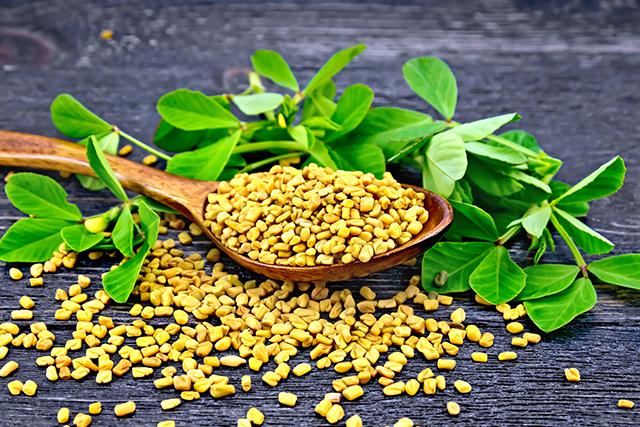
A new meta-analysis conducted by Chinese researchers has pooled data from 26 clinical trials, delivering robust evidence that fenugreek—the golden seed common in Indian and Middle Eastern cuisines—significantly reduces blood sugar levels and hemoglobin A1c (HbA1c), a critical indicator of long-term glycemic control. Além disso, the review also reveals a counterintuitive dose-response: daily intakes under 10 grams outperformed larger doses in improving these markers. Portanto, this finding not only reinforces fenugreek’s traditional use for diabetes but also offers fresh insights into its optimal application.
From Kitchen Spice to Glucose Regulator
Fenugreek (Trigonella foenum-graecum) has been used for centuries in Ayurveda and traditional Chinese medicine to treat various ailments, including digestive issues and metabolic imbalances. Ademais, its small, amber-colored seeds are rich in fiber, protein, and bioactive compounds.
Modern scientific research has focused on its hypoglycemic properties, with dozens of human trials examining its effects on fasting blood sugar and post-meal glucose excursions. Além disso, the Chinese meta-analysis consolidates this evidence, using rigorous statistical methods to confirm the seed’s efficacy.
According to the pooled data, fenugreek supplementation led to a notable reduction in both fasting blood glucose and HbA1c. Ou seja, HbA1c reflects average blood sugar over approximately three months, making it a more reliable marker than a single finger-prick test. Consequentemente, lowering HbA1c may help reduce the risk of long-term diabetic complications—though researchers stress it should complement, not replace, conventional treatment.
As with any supplement, individuals should consult a healthcare professional before adding fenugreek to their regimen, particularly if they are on diabetes medications. No entanto, what makes fenugreek so effective? The secret lies in its soluble fiber content.
How Fenugreek’s Fiber Slows Sugar Spikes
The Role of Galactomannan
The key mechanism involves a soluble fiber called galactomannan. When fenugreek seeds come into contact with water in the digestive tract, galactomannan swells and forms a thick gel. Dessa forma, this gel coats the intestinal lining, physically slowing the absorption of sugars from food into the bloodstream. Consequentemente, post-meal glucose peaks are blunted, and the body’s insulin response becomes more manageable—isto é, akin to putting a dimmer on a sudden flood of sugar, allowing metabolic pathways to cope more gradually.
Galactomannan is not unique to fenugreek—it appears in other legumes and seeds—but fenugreek’s concentration and overall composition seem particularly effective. Ademais, the viscous barrier not only delays glucose entry but may also promote satiety, potentially helping with weight management, a common comorbidity in type 2 diabetes. No entanto, the source did not provide details on whether other fibers in fenugreek contribute synergistically, but the galactomannan effect alone offers a clear physiological explanation for the clinical benefits observed.
Finding the Right Dose for Best Results
The Under‑10‑Gram Advantage
One of the most striking revelations from the 26‑trial review is that smaller daily amounts—specifically under 10 grams—yielded better improvements in blood sugar markers than higher doses. Consequentemente, this challenges the common assumption that more is always better when it comes to herbal supplements. Ademais, the analysis found that beyond this threshold, benefits did not increase and, in some cases, appeared to diminish.
Por exemplo, possible explanations include gastrointestinal discomfort at higher doses interfering with absorption or a saturable mechanism of action.
Practical Tips for Safe Use
For those considering fenugreek, the data suggests starting with a modest daily intake, such as 2 to 5 grams of seed powder, and monitoring blood sugar closely. No entanto, it is critical to emphasize that fenugreek can interact with diabetes medications, potentially causing hypoglycemia if not adjusted under medical supervision. Portanto, integrating fenugreek into a holistic health plan should always be done in partnership with a healthcare provider who can tailor the approach to individual needs.
As with any botanical, quality and formulation matter: whole seeds, powders, and extracts may vary in potency. Contudo, the meta-analysis did not offer specific guidelines on the form of fenugreek, so consumers should look for products with proven purity and potency. Ademais, organizations like the National Center for Complementary and Integrative Health (NCCIH) recommend caution with herbal supplements and advise verifying third‑party testing.
Frequently Asked Questions
What do clinical trials say about fenugreek’s effect on blood sugar?
Em resumo, a pooled analysis of 26 clinical trials by Chinese researchers found that fenugreek significantly lowers both blood sugar and HbA1c levels.
How does fenugreek slow down glucose absorption in the body?
Dessa forma, fenugreek contains a soluble fiber called galactomannan that forms a gel in the gut, slowing the absorption of glucose.
What is the most effective daily dose of fenugreek for blood sugar control?
Assim sendo, studies indicate that daily doses under 10 grams are more effective at improving blood sugar control compared to higher amounts.