




How Protein Misfolding Harms Beta Cells
The Fragile Folding Process
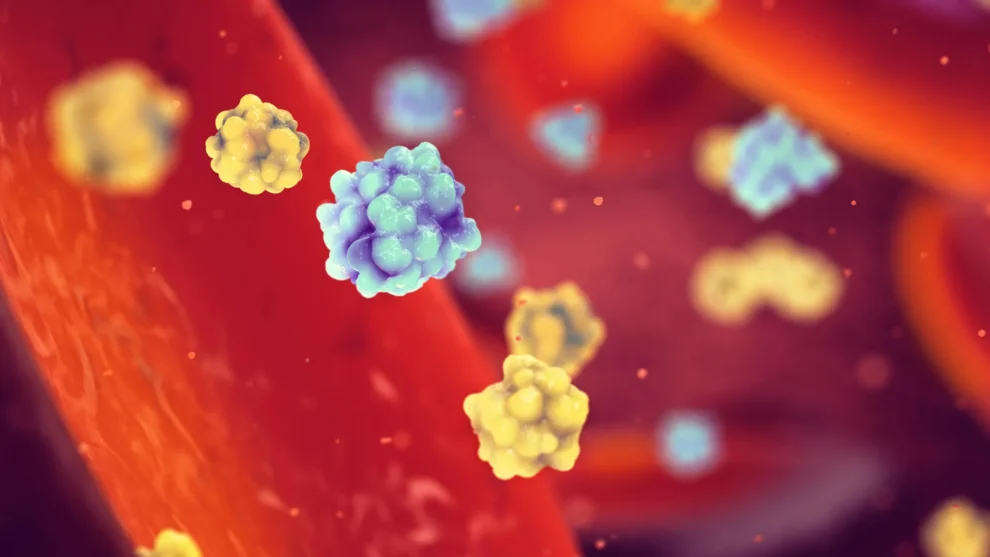
Proteins inside cells must assume precise three-dimensional shapes to function correctly. In the pancreas, beta cells produce proinsulin—the precursor to insulin—and its folding is a delicate process. As prediabetes advances toward diabetes, this folding machinery begins to fail. Consequently, misfolded and defective proteins accumulate, generating stress that can damage the very cells that make insulin.
Cumulative Stress on Beta Cells
Beta cells constantly monitor blood sugar levels and release extra insulin when glucose rises, bringing it back to normal. But as diabetes progresses, these cells increasingly struggle to meet the body’s demand. The accumulation of misfolded proinsulin adds another layer of burden, pushing beta cells toward dysfunction and death. Understanding the molecular players that safeguard proinsulin folding therefore became a critical research goal.
Tracking Molecular Helpers in Insulin Production
A Molecular Beacon for BiP
The researchers set out to examine how partner proteins coordinate proinsulin folding and eliminate misfolded errors—steps essential for the health of insulin-producing cells.
To do so, they genetically modified mice so that a key chaperone protein called BiP, present in beta cells, carried an extra peptide chain. This added marker, a 3xFLAG-tag consisting of three copies of an eight-amino-acid sequence, acted as a molecular beacon, making BiP easier to detect and track. This allowed the team to observe BiP’s interactions and identify other proteins involved in the folding process.
p58 IPK Emerges as a Key Partner
The results pointed to an especially important role for p58 IPK, a cochaperone protein of BiP. This finding emerged from detailed analyses of the tagged BiP complexes, revealing that p58 IPK works alongside BiP to maintain proper proinsulin conformation. The investigators also identified additional partner proteins involved in folding, transporting, and managing misfolded proinsulin, but p58 IPK stood out as a critical helper.
The Critical Role of p58 IPK
Evidence from Cell and Mouse Models
When the researchers genetically removed p58 IPK from cell lines, misfolded proinsulin accumulated at higher levels. Similar evidence appeared in mice lacking p58 IPK: their beta cells produced smaller amounts of both proinsulin and mature insulin. These observations confirmed that p58 IPK is essential for efficient insulin production and quality control.
The BiP-p58 IPK Partnership
In a striking demonstration of cause and effect, reintroducing p58 IPK into one modified cell line improved proinsulin folding and transport, and reduced the buildup of misfolded forms. However, these improvements did not occur unless BiP was also present; p58 IPK could not replace BiP’s central role. As the study’s authors noted, “BiP cannot just go it alone in maintaining the proper folding of proinsulin.” Instead, a network of helper proteins, with p58 IPK as a critical partner, is required.
A New Avenue for Diabetes Treatment?
“Proinsulin folding is vulnerable to many of the same cellular stresses that cause beta cell failure in type 2 diabetes,” said Randal Kaufman, a lead researcher on the study. This link suggests that targeting the folding machinery could preserve beta cell health. Yet, most existing diabetes medications do not directly correct protein-folding problems; they primarily control the disease by increasing glucose absorption or insulin release.
Currently, no therapies are designed to improve proinsulin folding to preserve beta cell function. The new findings open a window toward novel treatments that could shore up the molecular chaperones like p58 IPK and BiP. However, the source did not provide details on when such therapies might be developed. Anyone with diabetes or prediabetes should consult a healthcare professional before considering changes to their management plan.
The study was led by Insook Jang, PhD, from the Kaufman lab, with contributions from Alec Duffey and Pamela Itkin-Ansari of Sanford Burnham Prebys, and Peter Arvan of the University of Michigan. Funding was provided by the National Institutes of Health, National Institute of Diabetes and Digestive and Kidney Diseases, National Cancer Institute, and Breakthrough T1D (formerly JDRF). These findings underscore how foundational research into protein folding can illuminate hidden drivers of chronic disease, offering hope for more targeted interventions in the future.
Frequently Asked Questions
What causes beta cell dysfunction in type 2 diabetes?
As prediabetes advances, protein folding processes break down, leading to accumulation of misfolded proinsulin and other proteins in beta cells, creating stress that damages these insulin-producing cells.
How does the cochaperone p58 IPK influence insulin production?
p58 IPK assists the BiP protein in folding proinsulin; without p58 IPK, misfolded proinsulin levels rise and insulin production drops, while restoring p58 IPK along with BiP improves proinsulin folding and transport.
Are there any diabetes medications that fix misfolded insulin?
Most existing diabetes drugs do not directly correct protein-folding problems; they primarily increase glucose absorption or insulin release, and no current therapies are designed to improve proinsulin folding to preserve beta cell health.
Source
- www.sciencedaily.com
- Materials (sbpdiscovery.org)
- Sanford Burnham Prebys (sbpdiscovery.org)
- 10.1073/pnas.2533617123 (dx.doi.org)
- SCITECHDAILY.com (scitechdaily.com)
- Hair Loss May Be an Overlooked Side Effect of Ozempic and Mounjaro (scitechdaily.com)