






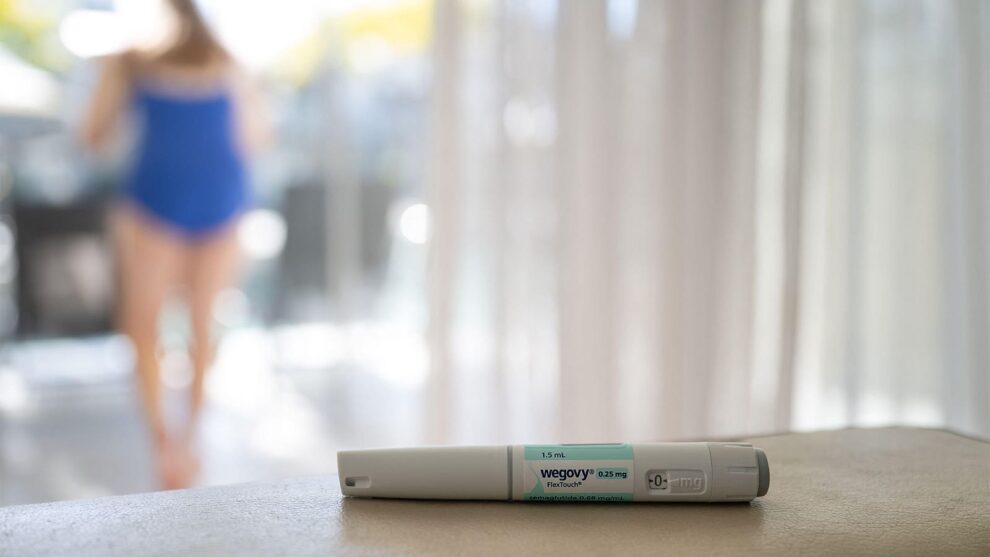
A substantial proportion of individuals who begin taking Wegovy, a medication for obesity, discontinue treatment within the first year, according to a new study from Denmark. The research, published in JAMA Network Open, found that nearly half of Danish adults who started semaglutide for obesity discontinued treatment within 12 months. Among those who stopped, a quarter restarted therapy within 3 months, suggesting that discontinuation is often temporary but still poses challenges for long-term weight management.
The study, led by Aurélie Mailhac, MSc, of Aarhus University Hospital in Denmark, and co-authors, examined Danish adults who initiated semaglutide for obesity between December 2022 and November 2024. The median age was 49 years, and 69% were female. The researchers analyzed data from 157,822 first-time semaglutide initiators without diabetes, providing a robust picture of real-world usage patterns.
How the Study Measured Discontinuation
Discontinuation was defined as a prescription gap of 60 or more days. Using this definition, the study found that 49% of participants discontinued treatment by 12 months. The discontinuation rate steadily increased over time: 13% by 3 months, 27% by 6 months, and 39% by 9 months. These figures highlight that many patients stop taking the medication relatively early in their treatment journey.
The researchers also conducted sensitivity analyses using different prescription gap thresholds. When a 30-day gap was used, the 12-month discontinuation rate shifted to 58%. Conversely, with a 90-day gap, the rate was 45%. This variation underscores the importance of how discontinuation is defined and suggests that the true rate may be even higher under stricter criteria.
Who Is More Likely to Stop?
The study identified several factors associated with a higher risk of discontinuation. Individuals with prior psychiatric medication use had a relative risk (RR) of 1.13 (95% CI 1.12-1.14). Those with prior gastrointestinal medication use had an RR of 1.10 (95% CI 1.09-1.12). Kidney disease was associated with an RR of 1.09 (95% CI 1.04-1.15), cardiovascular disease with an RR of 1.08 (95% CI 1.06-1.10), and metabolic syndrome with an RR of 1.02 (95% CI 1.01-1.03).
These findings suggest that patients with certain comorbidities or medication histories may find it more challenging to continue treatment.
While the study did not directly measure reasons for discontinuation, the authors noted that financial barriers and side effects may have driven discontinuation. This is consistent with previous research on GLP-1 receptor agonists, which are known to cause gastrointestinal side effects such as nausea and vomiting, especially during dose escalation. The cost of these medications can also be prohibitive for many patients, particularly when insurance coverage is limited.
Restarting and Switching Medications
One in four discontinuers restarted therapy within 3 months. This suggests that some patients may take a break due to side effects or cost, but later resume treatment when circumstances change. However, the study also found that after stopping semaglutide, few patients filled prescriptions for alternative GLP-1 drugs indicated for obesity. Specifically, only 1.4% filled a prescription for liraglutide (Saxenda) and 0.7% for tirzepatide (Zepbound). This indicates that most patients who stop semaglutide do not immediately switch to another medication in the same class.
The study did not measure reasons for the low switching rate, but possible factors include lack of awareness of alternatives or insurance coverage issues. It also raises questions about the continuity of care for obesity management, as discontinuation without alternative therapy may lead to weight regain.
Implications for Patients and Providers
Clinicians should proactively address side effects and cost barriers to improve adherence. Healthcare providers should be aware that a significant proportion of patients may discontinue semaglutide within the first year, and they should proactively address potential barriers such as side effects and cost. Regular follow-up and open communication about treatment goals and challenges may help improve adherence.
If you experience side effects, ask your doctor about adjusting the dose or switching to an alternative GLP-1 medication. Abruptly stopping semaglutide can lead to weight regain and other metabolic changes. If side effects are bothersome, dose adjustments or alternative treatments may be considered. Tailoring treatment to patient comorbidities and medication history may reduce discontinuation.
In conclusion, the Wegovy discontinuation rate is substantial, with nearly half of users stopping within a year. Understanding the factors associated with discontinuation can help healthcare providers and patients work together to improve long-term outcomes. As with any medical treatment, decisions should be made in consultation with a qualified healthcare professional.
Frequently Asked Questions
What percentage of people who start Wegovy discontinue it within the first year?
According to a Danish study, 49% of adults who initiated semaglutide for obesity discontinued treatment within 12 months, using a prescription gap of 60 or more days.
What factors are associated with a higher risk of discontinuing Wegovy?
The study found that prior psychiatric medication use, prior gastrointestinal medication use, kidney disease, cardiovascular disease, and metabolic syndrome were associated with a higher risk of discontinuation.
How many people who stop Wegovy restart it within 3 months?
One in four (25%) of those who discontinued semaglutide restarted therapy within 3 months.
Source
- www.medpagetoday.com
- JAMA Network Open (jamanetwork.com)
- comments powered by Disqus. (disqus.com)