






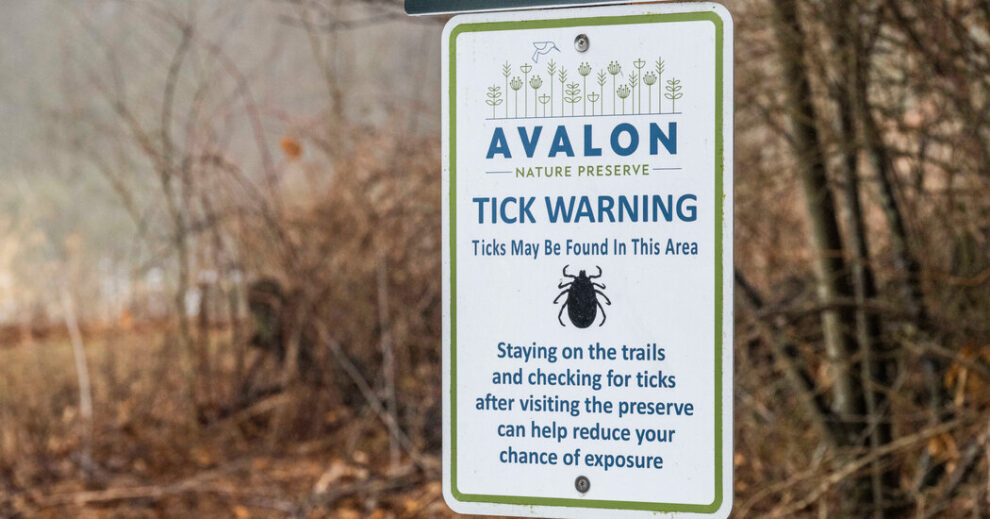
New York Emerges as an Alpha-Gal Hot Spot
New York has been identified as a hot spot for alpha-gal syndrome, an allergy to red meat linked to tick bites. In 2023, federal health authorities listed several regions where people were developing this allergy at alarming rates after tick exposures. This condition has drawn increasing attention due to its connection to tick-borne illnesses.
Long Island: A Localized Concern
Long Island is specifically noted as a hot spot within New York State. There is a high prevalence of alpha-gal syndrome in this area, highlighting a localized public health concern. However, the broader state response to this emerging issue remains unclear.
The source did not provide details on the exact number of cases or the timeline of this designation. This lack of specific data underscores the challenges in understanding the full scope of the problem. As awareness grows, accurate information becomes more pressing for effective public health planning.
State Tracking Lags Behind National Trends
More than 10 states require laboratories or doctors to notify state health authorities of each positive test for alpha-gal syndrome markers. Most of these states have implemented monitoring systems to track the prevalence of this allergy within their borders. This proactive approach helps assess the spread and impact of the condition.
States with Reporting Requirements
- Arkansas, Kentucky, and Virginia require reporting of every positive blood test for alpha-gal markers.
- In Missouri, state legislators are considering mandating the same reporting requirements.
These measures reflect a growing recognition of alpha-gal syndrome as a reportable condition in various regions. This contrasts with the situation in New York, where tracking efforts appear less developed. The divergence in state policies highlights varying levels of preparedness across the country.
New York’s Data Gap on Alpha-Gal Cases
The New York State Health Department acknowledges it does not have data regarding the number of alpha-gal cases in the state. The state has done little to study the rising incidence of this condition, despite Long Island being identified as a hot spot. This admission points to a significant gap in surveillance for a prevalent health issue.
Consequences of Inadequate Tracking
- Without mandatory reporting, cases may go unrecorded, hindering public health responses.
- The lack of data makes it difficult to gauge the true extent of alpha-gal syndrome in New York.
- This situation raises questions about resource allocation and prioritization of emerging health threats.
Advocates have noted this discrepancy, pushing for better monitoring systems. The source did not provide details on any planned initiatives to address this data shortfall.
Advocacy Efforts for Better Reporting Systems
Sharon Forsyth leads an alpha-gal advocacy organization and has pushed for reporting requirements in several states. Her work focuses on improving recognition and documentation of alpha-gal syndrome to aid patients and researchers.
Goals of Advocacy Campaigns
- Standardize reporting across states, similar to requirements in Arkansas and Kentucky.
- Create a more consistent national picture of alpha-gal prevalence.
- Help identify patterns and risk factors more effectively.
The source did not provide details on whether New York is specifically targeted by these advocacy campaigns. However, the state’s status as a hot spot suggests it could benefit from such initiatives.
Implications for Public Health and Wellness
The absence of state tracking in New York complicates efforts to address alpha-gal syndrome holistically. Without reliable data, public health officials cannot accurately assess the burden of this condition. This limits the ability to develop targeted prevention and education programs.
Recommendations for Individuals
- Consult a healthcare professional for diagnosis and management of alpha-gal syndrome.
- Natural medicine and evidence-based wellness approaches may support overall health.
- Specific treatments should be guided by medical advice.
The source did not provide details on recommended holistic strategies for alpha-gal. As awareness grows, the need for comprehensive monitoring becomes more apparent. States with reporting requirements set an example for how to track emerging health issues.
The Importance of Proactive Measures
With tick-borne illnesses on the rise, robust surveillance systems are crucial for protecting community well-being. New York’s current approach may evolve as pressure mounts to align with national trends. Better data collection could inform more effective health policies and patient support in the future.
Frequently Asked Questions
Why doesn’t New York track Alpha-Gal syndrome cases?
The New York State Health Department says it does not have data regarding the number of alpha-gal cases in New York, and the state has done little to study the rising incidence of alpha-gal despite Long Island being a hot spot.
Which states require reporting of Alpha-Gal syndrome cases?
Arkansas, Kentucky, and Virginia require laboratories or doctors to report every blood test that comes back positive for a marker of alpha-gal. In Missouri, state legislators are considering mandating the same.
Is New York a hot spot for Alpha-Gal syndrome?
Yes, New York is a hot spot for Alpha-Gal syndrome, with Long Island specifically identified as a region where people are developing this allergy at alarming rates after tick bites.