






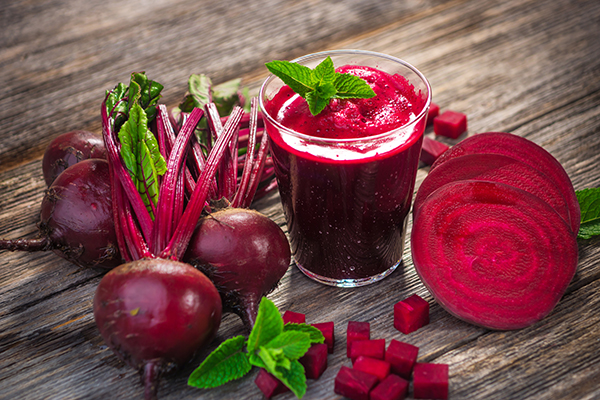
A recent investigation published in Nutrition Research has spotlighted the potential of beetroot juice as a natural ally against high blood pressure. The study, focusing on overweight older adults, demonstrated that daily supplementation reduced systolic blood pressure by an average of 1.3 mmHg over a mere three-week period. Notably, beetroot juice outperformed blackcurrant juice, underscoring its unique efficacy. These findings arrive as interest in holistic, food-based approaches to cardiovascular wellness continues to surge. The results add to a compelling narrative: simple dietary additions may offer measurable heart health benefits.
The findings emerge at a time when many patients and practitioners seek gentle, non-pharmacological strategies to complement conventional care. Even modest reductions in blood pressure can translate into lower long-term risks of heart attack and stroke, making such interventions clinically relevant.
Beetroot’s Nitric Oxide Power
The key to beetroot’s power lies in its abundant nitrates. Once ingested, these compounds undergo a conversion in the body to form nitric oxide, a critical signaling molecule. Nitric oxide acts as a vasodilator, meaning it prompts the smooth muscles surrounding arteries to relax and widen. This expansion reduces the resistance against which the heart must pump, thereby lowering systolic pressure.
The Nutrition Research study’s results align with existing knowledge: dietary nitrates can have an immediate, positive impact on vascular health. This mechanism helps explain why a natural juice can produce such rapid changes in blood pressure readings.
While beetroot has captured headlines, it is far from the only juice under scientific scrutiny. A growing body of research points to a diverse array of fruit and vegetable juices that offer cardiovascular support through different pathways.
Tomato and Cucumber: A Potassium Punch
Tomato Juice: A Potassium Powerhouse
Tomato juice has emerged as a formidable contender in the fight against hypertension, primarily due to its high potassium content. Potassium works by balancing the effects of sodium in the body and promoting the relaxation of blood vessel walls. A 2025 study from Indonesia provided tangible evidence: participants who consumed tomato juice daily for six weeks experienced greater improvements in both systolic and diastolic blood pressure than those on a water-only regimen. The potassium in tomatoes helps the kidneys excrete excess sodium, a well-established driver of elevated blood pressure. This evidence reinforces the value of potassium-rich foods in any blood pressure management plan.
Cucumber Juice: Hydration and Sodium Balance
Cucumber juice, often overlooked, offers a similar potassium-driven benefit. Its exceptionally high water content aids in hydration, while its natural compounds facilitate sodium expulsion. The same Indonesian trial documented significant blood pressure reductions among daily cucumber juice drinkers, reinforcing its role as a gentle, hydrating remedy. This makes cucumber juice an easy, refreshing addition to a heart-conscious dietary pattern. Together, tomato and cucumber juices exemplify how common kitchen ingredients can contribute to cardiovascular wellness.
Pomegranate’s Antioxidant Shield
Pomegranate juice delivers a potent dose of antioxidants, which are crucial for combating oxidative stress—a physiological state that damages blood vessels and contributes to hypertension. A comprehensive meta-analysis of 17 trials affirmed that regular consumption leads to small yet clinically meaningful drops in blood pressure, especially in adults aged 20 to 60 with established hypertension. By neutralizing harmful free radicals, pomegranate juice helps preserve the elasticity and integrity of the vascular system. This antioxidant action complements the effects of other juicing strategies, offering a multifaceted defense against high blood pressure.
Grapefruit and Beetroot: A Synergistic Duo
Some of the most exciting findings emerge when juices are combined. When grapefruit juice is paired with beetroot juice, the nitrate absorption rate increases, resulting in a more pronounced reduction in systolic blood pressure than beetroot juice alone.
This synergy appears to stem from grapefruit’s ability to inhibit the breakdown of nitric oxide, thereby prolonging its vasodilating effects. Additionally, grapefruit juice itself contributes potassium and hydration, both of which support overall circulatory function. This combination represents a promising, natural strategy that could enhance the blood-pressure-lowering potential of dietary interventions. However, it is essential to note that grapefruit can interact with certain medications, so medical guidance is critical before experimenting with this pairing.
Consult Your Doctor Before Starting
Natural juices, while beneficial, are not replacements for prescribed antihypertensive medications. The claims did not specify adverse effects from the other juices discussed, but individual responses can vary.
Grapefruit juice, in particular, is known to interact with various drugs, including some statins and calcium channel blockers, potentially altering their effectiveness. Therefore, anyone considering these beverages as part of a blood pressure management plan should first consult a healthcare provider. Integrating these juices into a balanced diet, alongside regular physical activity and medical monitoring, may amplify heart health without unnecessary risk. A thoughtful, informed approach ensures that the promise of natural remedies is realized safely.
Frequently Asked Questions
What was the blood pressure reduction observed with daily beetroot juice in the Nutrition Research study?
A Nutrition Research study found that daily beetroot juice supplementation reduced systolic blood pressure by 1.3 mmHg in overweight older adults within three weeks, and it outperformed blackcurrant juice.
What did the 2025 Indonesian study reveal about tomato juice and cucumber juice for hypertension?
Participants drinking tomato juice daily for six weeks experienced greater blood pressure improvements than those consuming only water, and cucumber juice also led to significant reductions, likely by helping the body expel excess sodium.
Can combining grapefruit juice with beetroot juice enhance blood pressure reduction?
Yes, grapefruit juice enhances nitrate absorption when combined with beetroot juice, leading to greater systolic blood pressure reductions than beetroot alone.