




Health Officials Issue Summer Warning
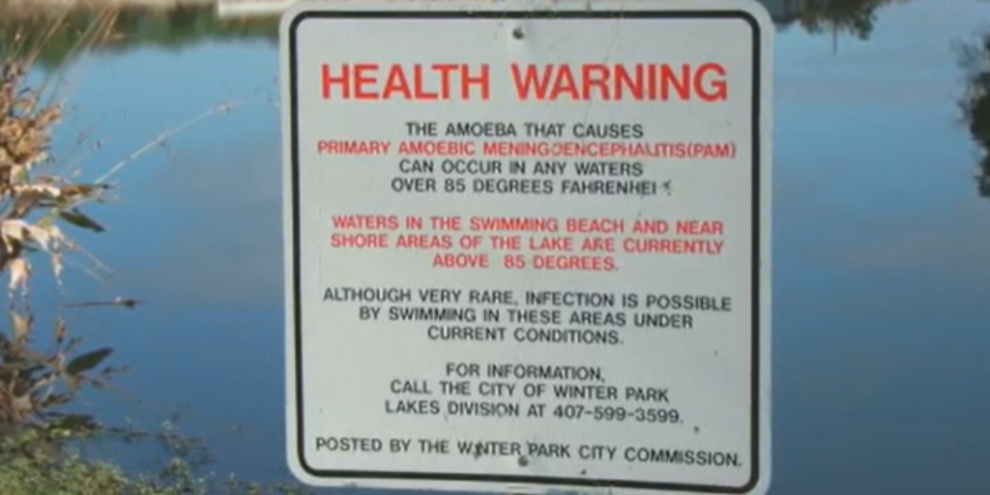
Health officials across the country are advising residents to remain alert for a rare but deadly pathogen as summer approaches. The warning concerns Naegleria fowleri, commonly known as the “brain-eating amoeba.” This naturally occurring organism is found in soil and warm freshwater, posing risks during warmer months when water temperatures rise.
Local health departments across the southern U.S. have issued warnings following a heat wave that pushed freshwater temperatures to record highs. These conditions can increase the likelihood of Naegleria fowleri growth, making vigilance particularly important. The source did not provide details about specific locations beyond these general warnings.
Typically, fewer than 10 people in the U.S. are infected with Naegleria fowleri each year, according to available data. However, the potential severity of infection warrants attention from public health authorities and the public alike. This concern comes as families prepare for summer water activities.
Understanding the Brain-Eating Amoeba
What Is Naegleria Fowleri?
Naegleria fowleri is a naturally occurring organism found in soil and warm freshwater environments. The amoeba can be present in warm water locations, including:
- Lakes
- Rivers
- Hot springs
In rare instances, it has also been detected in poorly maintained swimming pools, splash pads, and other recreational water venues.
How Does Infection Occur?
Exposure to Naegleria fowleri is relatively common, but infections are extremely rare. The pathogen enters the body through the nose when contaminated water is forced upward, typically during swimming or diving. Once inside, it travels to the brain where it causes destruction of brain tissue.
Infections can lead to a severe and often fatal brain infection known as primary amebic meningoencephalitis (PAM). Symptoms typically begin one to nine days after exposure and may include:
- Headache
- Fever
- Nausea and vomiting
As the infection progresses, symptoms can advance to stiff neck, confusion, seizures, and hallucinations.
The Human Toll of Rare Infections
Between 1962 and 2024, 167 cases of Naegleria fowleri infection were reported nationwide, with only four known survivors. This statistic highlights the extreme lethality of the infection despite its rarity. The low survival rate underscores the importance of prevention and early detection.
Recent cases have drawn attention to the ongoing threat:
- A child died from suspected ‘brain-eating amoeba’ after swimming in a Nebraska river.
- The deadly brain-eating amoeba was found at an Iowa beach as temperatures rose, prompting local health concerns.
Eight years after their son died from a brain-eating amoeba, the Smelskis are relieved to help announce a new test in their home state. Their personal tragedy reflects the devastating impact these rare infections can have on families. The source did not provide details about the specific nature of this new test.
Enhanced Medical Response and Guidance
CDC Updates and Recommendations
In July, the Centers for Disease Control and Prevention (CDC) updated its awareness campaign and clinical guidance to help healthcare professionals diagnose cases earlier. This updated guidance represents an important step in improving outcomes for potential infections. Early diagnosis is critical given the rapid progression of the disease.
The new recommendations include:
- Enhanced diagnostic workflows using PCR testing and antigen detection
- Updated water testing protocols for high-risk areas
- Revised treatment guidance for compassionate-use drugs
These measures aim to address the challenges in diagnosing and treating this rare infection. Healthcare professionals should consult the latest CDC guidance for specific protocols.
While treatment options remain limited, the updated guidance provides a framework for medical response. The source did not provide details about specific compassionate-use drugs mentioned in the recommendations. Patients concerned about potential exposure should consult a healthcare professional immediately.
Balancing Awareness with Perspective
Despite the alarming nature of these infections, it’s important to maintain perspective about the actual risk. Exposure to Naegleria fowleri is relatively common, but infections are extremely rare. The vast majority of people who swim in warm freshwater will not develop this infection.
Health officials emphasize preventive measures rather than causing unnecessary alarm. Simple precautions can significantly reduce risk while allowing people to enjoy water activities:
- Avoid water-related activities in warm freshwater during periods of high water temperature
- Keep your head above water in hot springs
- Use nose clips when swimming in warm freshwater
The source did not provide details about additional safety recommendations beyond those mentioned. For comprehensive guidance on water safety and infection prevention, consult trusted medical sources such as the CDC. Remember that while awareness is important, the statistical risk remains extremely low for most individuals.
Frequently Asked Questions
How common are infections from the brain-eating amoeba Naegleria fowleri?
Infections are extremely rare despite relatively common exposure. Between 1962 and 2024, only 167 cases were reported nationwide, with typically fewer than 10 infections per year in the U.S.
Where is the brain-eating amoeba typically found and how does it infect people?
Naegleria fowleri is naturally found in soil and warm freshwater, and can also be detected in poorly maintained swimming pools and splash pads. Infections occur when contaminated water enters the nose during activities like swimming.
What are health officials doing to address the brain-eating amoeba threat?
The CDC has updated awareness campaigns and clinical guidance, including enhanced diagnostic workflows using PCR testing and antigen detection, plus updated water testing protocols for high-risk areas. Local health departments issue warnings when conditions like heat waves increase amoeba growth likelihood.