






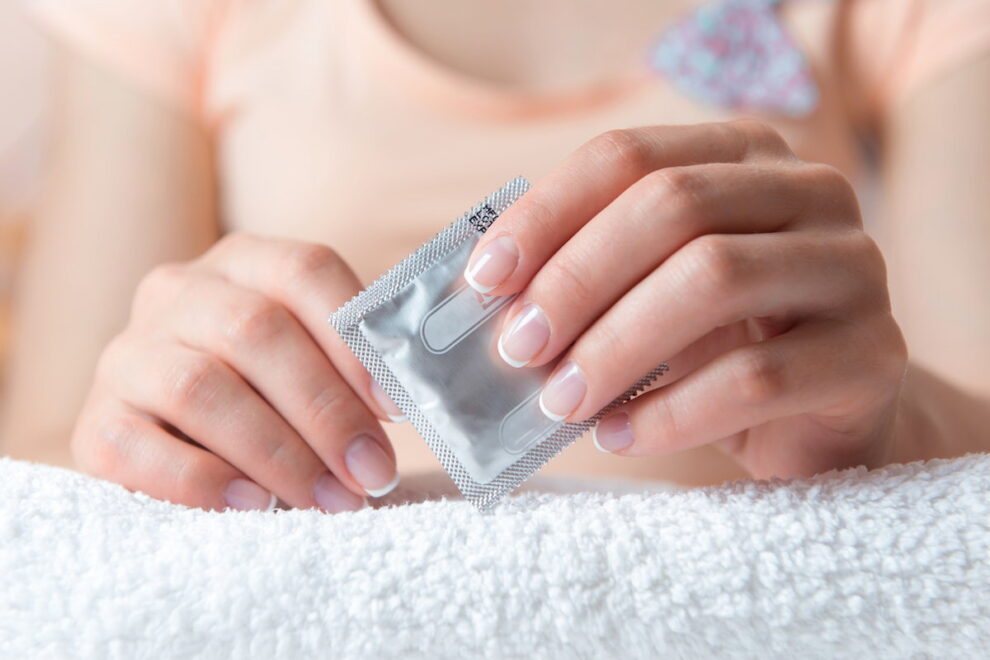
Condom Effectiveness and Basic Function
Condoms, both male and female, are barrier contraceptives that prevent sperm from contacting the vaginal canal. When used correctly, they are up to 98% effective at preventing pregnancy. They also protect against sexually transmitted infections (STIs).
To maximize protection, use condoms properly or combine them with other methods like pills, IUDs, or vaginal rings, as advised by a gynecologist. This foundational knowledge is crucial for reproductive health.
Vídeo: YouTube | Fonte: www.tuasaude.com
Common Mistakes That Increase Pregnancy Risk
Storage and Material Errors
Improper storage can damage condoms. Storing them in a wallet exposes them to heat, which weakens the material. Insufficient lubrication dries out the condom, increasing breakage risk.
Using petroleum-based lubricants instead of water-based ones can degrade the material. These factors highlight the importance of proper condom care.
Procedural Errors During Use
Opening the packaging with teeth or sharp objects can tear the condom. Unrolling it before application or reusing a condom also raises pregnancy risk.
Putting on a condom after unprotected penetration is another critical error. Each mistake creates vulnerabilities in this barrier method.
Correct Application and Removal Techniques
How to Apply a Condom Properly
Open the packaging with your hands. Place the condom ring on the penis head, pinching the tip to prevent air accumulation. Unroll it to the base while holding the tip.
Check for air in the tip where semen collects. Not removing this air increases rupture chances.
How to Remove a Condom Safely
Remove the penis from the vagina after it has decreased in size. This prevents semen leakage from the condom into the vagina.
Proper removal ensures the barrier remains intact until the sexual act concludes.
Choosing the Right Condom
Size and Type Considerations
Condoms vary in length, thickness, flavor, and features like spermicide or lubricant. Choose the correct size to avoid slippage or breakage.
Loose or tight condoms can compromise protection against pregnancy and STIs.
Alternatives for Specific Needs
For latex allergies, polyurethane condoms are available. They prevent allergic reactions, pain, and discomfort.
The female condom is thinner and larger, placed inside the vagina. It includes a spermicidal gel for added pregnancy prevention.
Frequently Asked Questions
How effective is a condom at preventing pregnancy when used correctly?
When used correctly, condoms are up to 98% effective. They work by blocking sperm from entering the vaginal canal.
What common mistakes can make condoms less effective at preventing pregnancy?
Common errors include improper storage, using petroleum-based lubricants, and not removing air from the tip. These increase pregnancy risk.
How should I properly put on a male condom to maximize pregnancy prevention?
Open with hands, place on the penis head while pinching the tip, unroll to the base, and check for air in the tip where semen collects.
Source
- www.tuasaude.com
- https://www.nhs.uk/conditions/contraception/male-condoms/ (www.nhs.uk)
- https://www.cdc.gov/condomeffectiveness/external-condom-use.html (www.cdc.gov)
- https://www.ncbi.nlm.nih.gov/books/NBK470385/ (www.ncbi.nlm.nih.gov)
- https://www.who.int/news-room/fact-sheets/detail/condoms (www.who.int)