



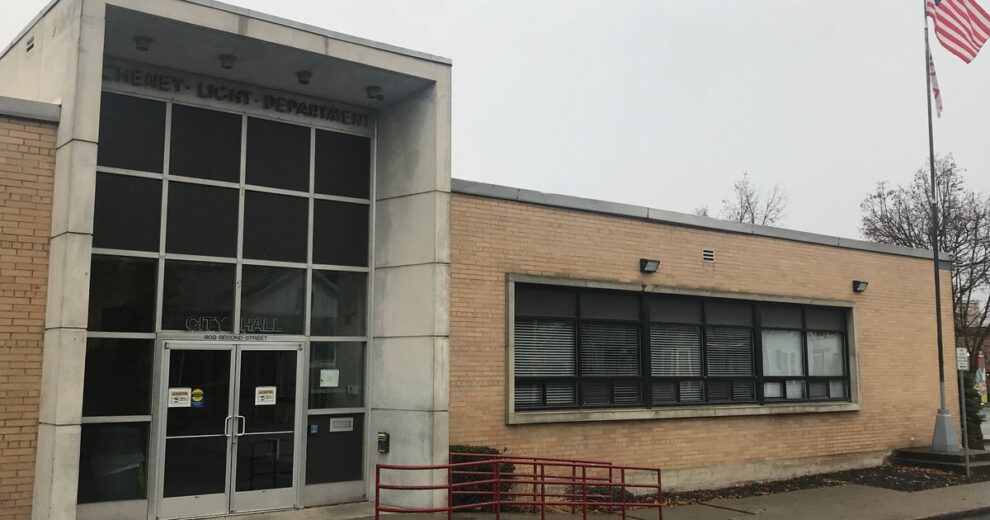
Cheney voters are heading to the polls to decide whether to renew and increase the city’s tax on electricity and natural gas—a measure that would fund critical street and sidewalk repairs. Proposition 1, on the August 4 ballot, proposes raising the Residential Street Utility Tax by 2%, bringing the total utility tax rate to 16.75%. Revenue from this tax would be dedicated solely to improving the city’s transportation infrastructure.
What Proposition 1 Proposes
The Residential Street Utility Tax currently stands at 4% above the base utility tax rate. If approved, it would increase to 6%, resulting in a combined rate of 16.75% on utility bills. This includes:
- A base 6% Utility Tax
- A 4.75% Parks and Recreation Tax
- The proposed 6% Residential Street Utility Tax
The measure would extend the tax for up to 14 years, matching the duration of the previous rate approved by voters in 2012.
How the Tax Would Be Used
Funds from the tax would be used exclusively for street and sidewalk repairs, according to the Cheney City Council, which voted unanimously on April 28 to place the measure on the ballot. The tax cannot be diverted to general city expenses. City Councilwoman Jacquelyn Belock highlighted the recently released Cheney Transportation Improvement Program, which outlines how transportation and street preservation projects would be funded over the next five years. The plan aims to repair and restore 12 miles of streets and sidewalks, Belock said.
Impact on Residents’ Utility Bills
In practice, the tax will manifest as a 2% increase to utility bills. However, how much voters actually end up paying depends on their utility usage and utility rates. The increase is intended to maintain Cheney as a walkable and cyclable city, Belock emphasized, noting that investment is necessary to preserve the community’s quality of life.
What Happens If the Measure Fails
If the measure is rejected, the Residential Street Utility Tax, currently 4%, will expire. This would eliminate a dedicated funding source for street and sidewalk repairs, potentially impacting the city’s ability to maintain its infrastructure. The Cheney City Council has stressed the importance of the tax for ongoing projects and long-term planning.
Voters previously approved a 4% increase above the authorized rate in 2012, which has been in effect since then. The current proposal seeks a 6% increase above the already authorized rate, reflecting the city’s growing infrastructure needs. The decision now rests with the electorate, who will determine the future of Cheney’s streets and sidewalks.
Frequently Asked Questions
What is Proposition 1 in Cheney about?
Proposition 1 asks voters to renew and increase the Residential Street Utility Tax by 2%, raising it from 4% to 6%, for a total utility tax of 16.75% to fund street and sidewalk repairs.
How long would the increased utility tax last if approved?
If approved, the increased tax would last up to 14 years, the same duration as the previous rate passed in 2012.
What happens if Cheney voters reject Proposition 1?
If rejected, the Residential Street Utility Tax, currently 4%, will expire.