






A Cheap Supplement for America’s Biggest Killer
Cardiovascular disease remains America’s leading cause of death, claiming nearly 1 million lives annually. Lifestyle factors such as high-fat diets, excessive sodium intake, obesity, and physical inactivity have consistently been linked to rising heart disease rates in recent years.
Health experts frequently recommend diets rich in lean meats, vitamin-packed vegetables, and whole grains to combat heart disease. A cost-effective supplement may help reduce risk by lowering blood pressure and harmful cholesterol levels, offering a natural, accessible option alongside dietary recommendations.
The Ancient Remedy with Modern Science
For thousands of years, garlic has been celebrated for its anti-inflammatory properties and associations with lower blood pressure and cholesterol. Contemporary research suggests garlic supplements may deliver similar heart-health benefits as fresh garlic.
The key bioactive compound is allicin, which gives garlic its distinctive aroma and flavor. This compound is central to understanding how garlic supports cardiovascular health, with researchers continuing to explore its mechanisms in modern studies.
How Garlic Affects Blood Pressure
Allicin has demonstrated several effects on vascular health:
- Relaxes blood vessels by limiting production of angiotensin II, a hormone that constricts vessels and raises blood pressure
- Stimulates nitric oxide production, which helps vascular smooth muscles relax
- Functions similarly to ACE inhibitor medications commonly prescribed for hypertension
These combined actions suggest a multi-faceted approach to maintaining healthy blood pressure levels.
Cholesterol Management Through Natural Means
Garlic’s impact on cholesterol involves two primary mechanisms:
- Allicin inhibits liver enzymes responsible for producing harmful LDL cholesterol
- Reduces LDL oxidation, a process that triggers inflammation and contributes to atherosclerosis
Atherosclerosis develops when plaque accumulates in arteries. By addressing both cholesterol production and oxidation, garlic may offer dual protection against cardiovascular disease.
From Bulb to Bottle: The Supplement Evolution
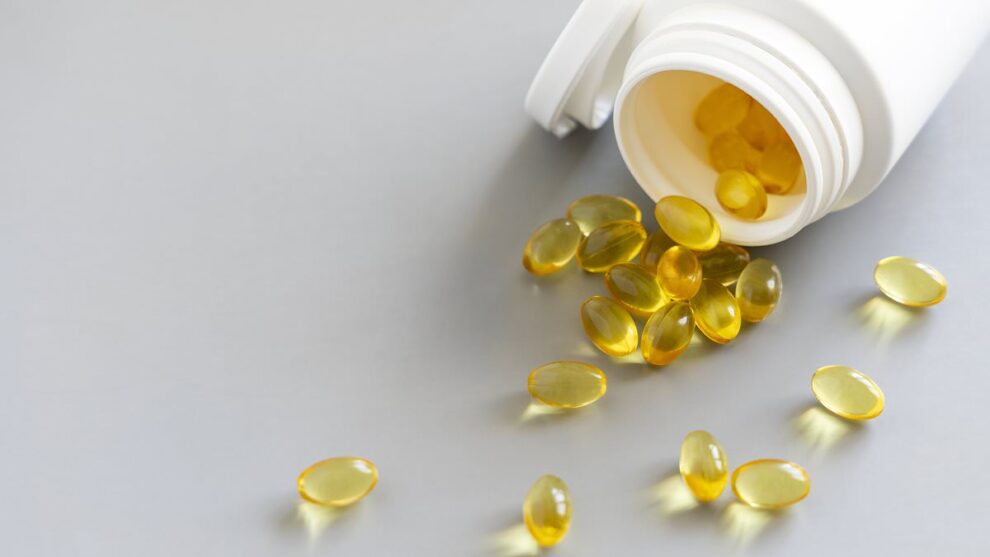
While fresh garlic costs approximately $0.60 per bulb, its strong odor and taste can be unappealing to some people. Scientists have developed concentrated garlic extracts available as odorless, tasteless supplements in various forms:
- Pills
- Capsules
- Powders
Supplement costs range from $4 to $25 per bottle, or $0.04 to $0.40 per serving. This transformation makes garlic’s potential benefits more accessible and convenient for diverse populations.
Considering Natural Options for Heart Health
The source did not provide specific dosage recommendations or detailed clinical trial results. Individuals interested in garlic supplements should consult healthcare professionals before starting any new regimen, particularly if they have existing health conditions or take medications.
While garlic supplements show potential benefits, they represent just one component of comprehensive cardiovascular wellness. Lifestyle modifications including diet and exercise remain fundamental to reducing heart disease risk.
Frequently Asked Questions
How does garlic lower cholesterol and blood pressure to reduce heart disease risk?
Garlic contains allicin, which relaxes blood vessels by limiting angiotensin II production (similar to ACE inhibitors) and inhibits liver enzymes that produce harmful LDL cholesterol. This helps lower blood pressure and reduces LDL oxidation, which drives atherosclerosis.
Are garlic supplements as effective as fresh garlic for heart health?
Yes, current research indicates garlic supplements may provide similar heart-health benefits as fresh garlic. They contain concentrated garlic extract with the bioactive compound allicin, but are odorless and tasteless for convenience.
How much do garlic supplements cost compared to fresh garlic?
Fresh garlic costs as little as $0.60 per bulb, while garlic supplements range from $4 to $25 per bottle, or $0.04 to $0.40 per serving. Supplements are often preferred for their convenience and odor control despite the higher upfront cost.