





Patients who relied on GLP-1 drugs like Ozempic for weight loss are receiving unwelcome news: their insurance no longer covers these medications. Dr. David Rind, a primary care physician at Beth Israel Deaconess Medical Center who also serves as chief medical officer for the Institute for Clinical and Economic Review (ICER), reports that his practice now involves an unwelcome new routine of informing patients about coverage denials. Appeals go nowhere, lost weight returns, and for many, it’s self-pay or nothing — usually nothing. As one doctor noted, ‘Many people can afford to pay hundreds of dollars a month for a GLP-1 drug, but not most of our patients.’
Insurers Drop Coverage of GLP-1 Drugs
Insurers are dropping coverage of Ozempic-type weight-loss medications, according to multiple reports. Patients say insurance informed them they are no longer covered for GLP-1 drugs, leaving them scrambling for alternatives. The source did not provide details on which insurers or regions are affected, but the trend appears widespread. Dr. David Rind, who teaches primary care to medical residents at Beth Israel Deaconess Medical Center, has seen this firsthand. His patients, many of whom had success with these drugs, now face a difficult choice: pay out-of-pocket or stop treatment.
Appeals Fail and Weight Returns
For those who try to fight the decision, appeals go nowhere. Patients are left without recourse, and the consequences are tangible: lost weight returns. The cycle of obesity and related health issues resumes, undoing months of progress. Dr. Rind emphasizes that for most of his patients, self-pay is not an option. ‘It’s self-pay or nothing — usually nothing,’ he says. The financial burden is steep, with monthly costs reaching hundreds of dollars. This creates a stark divide between those who can afford treatment and those who cannot.
A New ‘Pharm to Table’ Economy Emerges
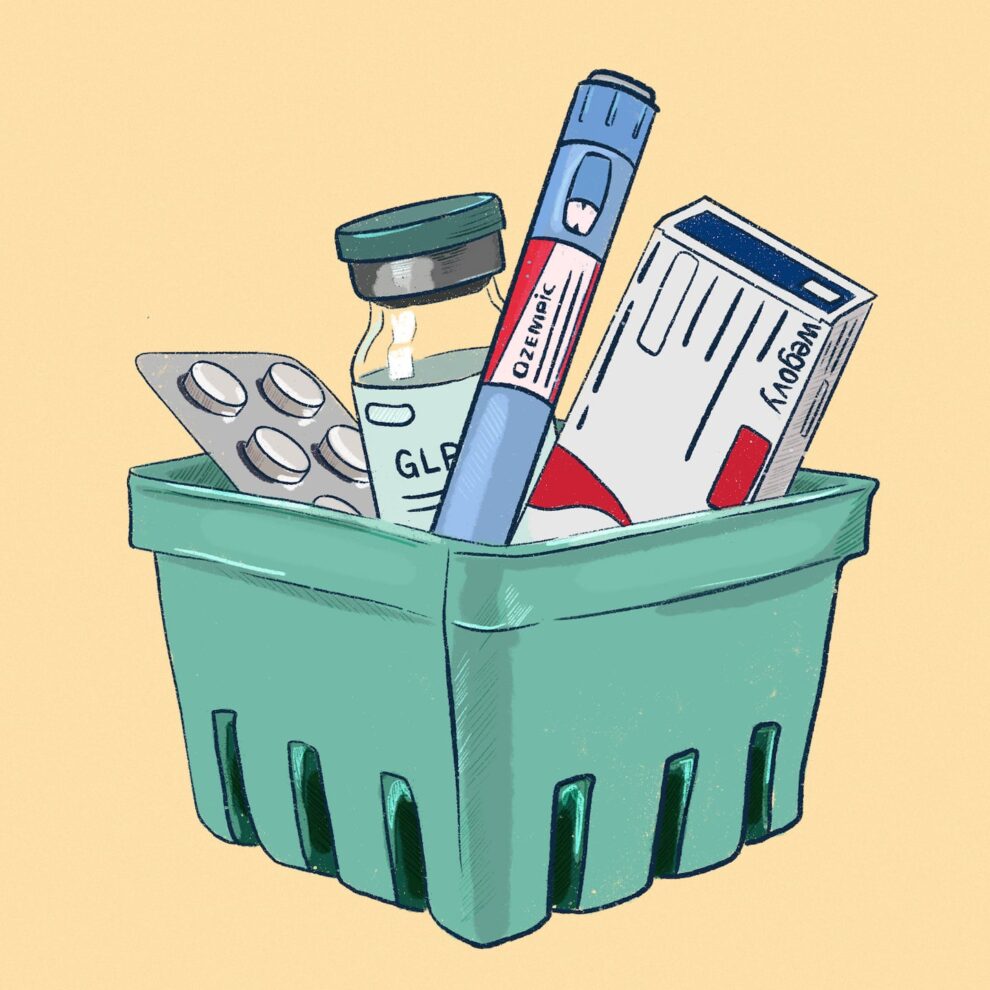
As insurance coverage shrinks, a new ‘pharm to table’ economy emerges. Patients are seeking alternative sources for GLP-1 drugs, including compounded versions or online pharmacies. The source did not provide details on the scale or safety of this trend, but it reflects a growing desperation. Some patients may turn to unregulated suppliers, raising concerns about quality and efficacy. Meanwhile, healthcare providers like Dr. Rind are left to navigate this shifting landscape, advising patients on the risks and benefits of self-pay options.
ICER’s Analysis: Drugs Are Safe and Cost-Effective
Despite the coverage cuts, ICER’s analysis found that GLP-1 drugs are generally safe and effective. The Boston-based nonprofit, which calculates the value of medications, also determined that these drugs are highly cost-effective. GLP-1’s promise longer lives and better health for a reasonable price, and may even cut total lifetime health care costs. Specifically, GLP-1 drugs can slash heart-disease risk by 20 percent. Sarah Emond, ICER’s president, notes that ‘the magnitude of the potential benefit for public health and individual health is unmatched.’ However, she adds that ‘the potential for significant and harmful budget impact is also unmatched.’ This tension between individual benefit and system-wide cost lies at the heart of the coverage debate.
Potential to Help Half of All Americans
Some analysts estimate that GLP-1’s hold the potential to help at least half of all Americans, given the prevalence of obesity and related conditions. Yet the current coverage landscape threatens to limit access. Patients who could benefit are being denied, and the public health implications are significant. As Dr. Rind’s experience shows, the burden falls disproportionately on those with lower incomes. The source did not provide details on policy solutions, but the issue highlights a growing gap in healthcare access. For now, patients are left with a difficult choice: pay hundreds monthly or go without. Always consult a healthcare professional before starting or stopping any medication.
Frequently Asked Questions
Why are insurers dropping coverage of Ozempic-type weight-loss medications?
Insurers are dropping coverage of GLP-1 drugs due to their high budget impact, despite ICER’s analysis finding them generally safe, effective, and highly cost-effective, with potential to cut total lifetime health care costs.
What is ICER’s assessment of GLP-1 drugs like Ozempic?
ICER’s analysis found that GLP-1 drugs are generally safe and effective, highly cost-effective, and can slash heart-disease risk by 20%, potentially offering longer lives and better health for a reasonable price.
What happens to patients when insurance no longer covers GLP-1 drugs?
Patients are informed they are no longer covered, appeals go nowhere, lost weight returns, and they face self-pay or nothing—usually nothing, as many cannot afford hundreds of dollars monthly.