



In the quest for a longer life, many people turn to complex biohacking techniques or expensive supplements. But according to a leading sports medicine physician, the most powerful tool for extending lifespan is far simpler: moving your body every day. Dr. Jordan Metzl, a sports medicine physician at the Hospital for Special Surgery, emphasizes that daily activity is the cornerstone of longevity. In a recent interview with TODAY.com, Metzl shared insights on how often and how intensely we should move to maximize our years of good health.
Redefining Longevity: Healthspan Matters
In medicine, longevity isn’t just about staying alive for as long as possible. The goal is to maximize the number of years we live in good health and disease-free into older age — aka, our “healthspan.” While society is obsessed with quick fixes like biohacking and peptides, increasing our healthspan often boils down to lifestyle choices. These choices include diet, sleep, and physical activity. Among these, movement stands out as the most impactful, according to Metzl.
Daily Movement: The Number One Habit
Moving your body every day is an incredibly important habit to boost longevity, Metzl tells TODAY.com. “It’s the number one thing. Activity, activity, activity … daily,” says Metzl, who authored Push: Unlock the Science of Fitness Motivation to Embrace Health and Longevity. The good news is that you don’t need to spend hours in the gym every week to reap the benefits of exercise. Benefits include a lower risk of heart disease, improved mobility, and weight management. But the key is consistency — daily movement, not just occasional workouts.
What Counts as Movement?
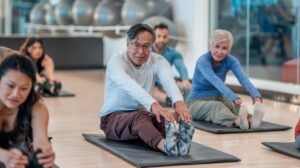
Movement can be anything that gets you to exert more effort or move your body around more than usual. Examples include walking, dancing, taking the stairs, or cleaning your home. The idea is to integrate activity into your daily routine rather than treating it as a separate chore. This approach makes it easier to sustain over the long term.
Non-Exercise Activity Thermogenesis (NEAT)
This concept, known as NEAT, refers to the energy expended for everything we do outside of sleeping, eating, or sports-like exercise. Simple activities like carrying groceries, walking uphill, or doing jumping jacks during a commercial break can count. These micro-bouts of activity add up over time.
Short Bursts, Big Impact
“We have increasing evidence that even just two minutes a day of vigorous physical activity, independent of exercise, is valuable for extending longevity,” Metzl says. Simply dialing up the intensity during everyday activities can have an impact. “As long as it gets you huffing and puffing,” Metzl adds. This approach makes it easy to incorporate into a busy schedule.
The Sedentary Threat
Humans are living increasingly sedentary lives, per the World Health Organization. Sedentary behavior is associated with an increased risk of chronic diseases and even premature death. This makes daily movement even more critical. By breaking up long periods of sitting with short activity breaks, you can counteract some of the negative effects of a sedentary lifestyle. Even small changes, like standing while talking on the phone or taking a short walk after meals, can make a difference.
Before starting any new exercise regimen, it is wise to consult a healthcare professional, especially if you have underlying health conditions. The path to longevity does not require extreme measures — just a commitment to move a little more each day.
Frequently Asked Questions
How often should I move my body to live longer according to a sports medicine doctor?
Dr. Jordan Metzl, a sports medicine physician, says moving your body every day is the number one habit to boost longevity. He emphasizes daily activity, stating, “Activity, activity, activity … daily.”
Can just a few minutes of vigorous activity per day extend lifespan?
Yes, Dr. Metzl notes that even just two minutes a day of vigorous physical activity, independent of exercise, is valuable for extending longevity. This can be achieved by dialing up intensity during everyday activities until you are huffing and puffing.
What types of movement count for longevity benefits?
Movement can be anything that gets you to exert more effort than usual, such as walking, dancing, taking the stairs, or cleaning your home. This is known as non-exercise activity thermogenesis (NEAT).