



A Breakthrough in Drug-Free Sleep Enhancement
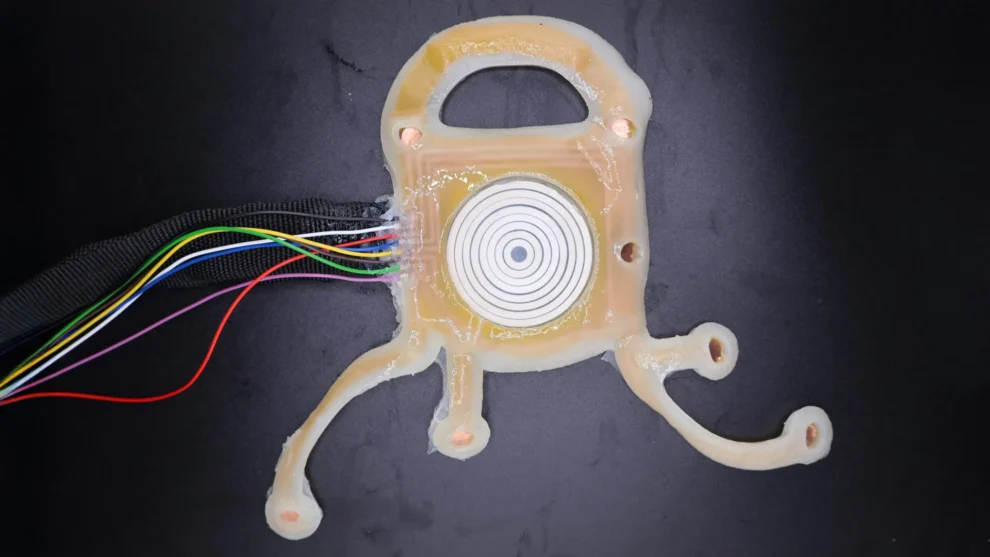
A wearable ultrasound patch can accelerate the onset of REM sleep, according to new research. The non-invasive device helped participants reach this critical sleep stage an average of 43 minutes sooner and extended its duration by roughly 16 minutes.
The findings, published in Nature Communications, come from a study involving 28 people and mark a potential step toward drug-free sleep enhancement. This technology could one day offer an alternative to medications and other current treatments, which often carry side effects.
A Closer Look at the Study
Study Design and Participants
The trial involved 28 participants, a group that included both healthy sleepers and individuals reporting some sleep difficulties. This diversity allowed the researchers to observe the patch’s effects across a spectrum of sleep patterns. The source did not provide details on the participants’ ages or genders, but the dual inclusion strengthens the real-world applicability of the results.
Key Results
- On average, the device reduced the time to enter REM sleep by 43 minutes.
- Participants spent approximately 16 additional minutes in REM.
The study was published in the journal Nature Communications, a respected peer-reviewed publication, providing a solid foundation for the reported outcomes. The exact mechanism by which the patch delivers ultrasound was not detailed in the available information. Nevertheless, the results are encouraging.
User Experience and Feedback
Alongside these objective measures, the study collected subjective feedback on the device’s wearability. Users described it as comfortable and safe, essential qualities for any wearable intended for nightly use.
Design and Tolerability
The study noted that adverse effects were minimal, though the exact nature of these effects was not disclosed. This promising safety profile aligns with the non-invasive design of the technology, which does not require surgery or pharmaceutical intake. For many, the idea of a gentle, continuous intervention may be preferable to the side effects often associated with sleeping pills.
This positive reception, combined with the lack of serious side effects, makes a compelling case for further exploration.
REM Sleep: A Cornerstone of Mental Health
The Role of REM in Memory and Emotion
REM sleep is not just a passive state; it is when the brain processes emotions and consolidates memories. The study underscores that disruptions in REM have been associated with mental health conditions such as depression, anxiety, and post-traumatic stress disorder (PTSD).
Potential Clinical Benefits
By facilitating a faster entry into REM and prolonging its duration, the ultrasound patch could theoretically address some of the root issues behind sleep-related mental health problems. However, it is important to note that this study did not directly assess clinical improvements in these conditions. More targeted research will be needed to establish a firm link.
Understanding these associations helps contextualize why a REM-enhancing tool might be clinically valuable.
Why Current Solutions Fall Short
Limitations of Current Treatments
People struggling with sleep often turn to medication or behavioral therapy. While these methods can provide relief, they are not without drawbacks:
- Medications can lead to dependency, morning grogginess, or even paradoxical insomnia.
- Behavioral therapies, though effective, may not work for everyone and can be time-consuming.
Crucially, the study points out that current approaches may not directly target the underlying factors that interfere with REM sleep. Some drugs can alter the architecture of sleep, potentially reducing the amount of restorative REM.
How the Patch Offers a New Approach
In contrast, the ultrasound patch aims to work with the body’s natural processes, presenting a compelling alternative worth investigating.
What’s Next for the Technology
Future Research Directions
The researchers are already planning larger studies to confirm these initial results. They specifically want to test whether the device, referred to as NEUSLeeP, could benefit people with PTSD, depression, and chronic insomnia. Beyond therapeutic uses, the team envisions applications in home sleep monitoring and personalized sleep treatments. The ability to track sleep patterns continuously in a home environment could yield valuable data for both individuals and researchers.
Commercialization Plans
On the commercialization front, the team is working with Discovery to Impact, the University of Texas’s unit for bringing academic innovations to the marketplace. A patent application has been filed, which indicates that the developers are serious about making the device widely available. The source did not specify a timeline for market entry, but the steps taken suggest a clear pathway toward eventual consumer access.
Note: As with any emerging health technology, it is advisable to consult a healthcare professional before incorporating the patch into your sleep routine, especially for those with diagnosed sleep disorders. The findings, while encouraging, are based on a preliminary study of 28 people, and larger trials will be essential to validate safety and efficacy.
Nevertheless, the wearable ultrasound patch represents a novel direction in the quest for better sleep, free from drugs and invasive procedures.
Frequently Asked Questions
How much sooner did participants enter REM sleep using the wearable ultrasound patch?
On average, participants entered REM sleep 43 minutes sooner when using the patch.
What adverse effects were reported during the study of the sleep patch?
The study reported minimal adverse effects, and users described the patch as comfortable and safe.
Which mental health conditions might benefit from this REM sleep-enhancing technology?
The patch may help with depression, anxiety, PTSD, and chronic insomnia, as REM sleep disruptions are associated with these conditions.