



Maintaining Weight Loss After Intensive Treatment
Weight loss medications have transformed obesity treatment, but a persistent challenge remains: what happens after patients stop taking them? Research shows that many people regain at least some weight after discontinuing therapy, especially without ongoing lifestyle support. Previous studies indicate that one year after stopping weight loss medication, individuals may regain, on average, 60% of their lost weight. This reality underscores the need for effective maintenance strategies.
Two new late-phase clinical trials, sponsored by Eli Lilly and Company, now suggest that transitioning from high-dose injectable weight loss medications to either a daily pill or a lower maintenance dose can help people living with obesity keep off most of the weight they have already lost. The findings offer hope for more flexible and convenient options to sustain weight loss over the long term.
Switching to an Oral Pill: Foundayo
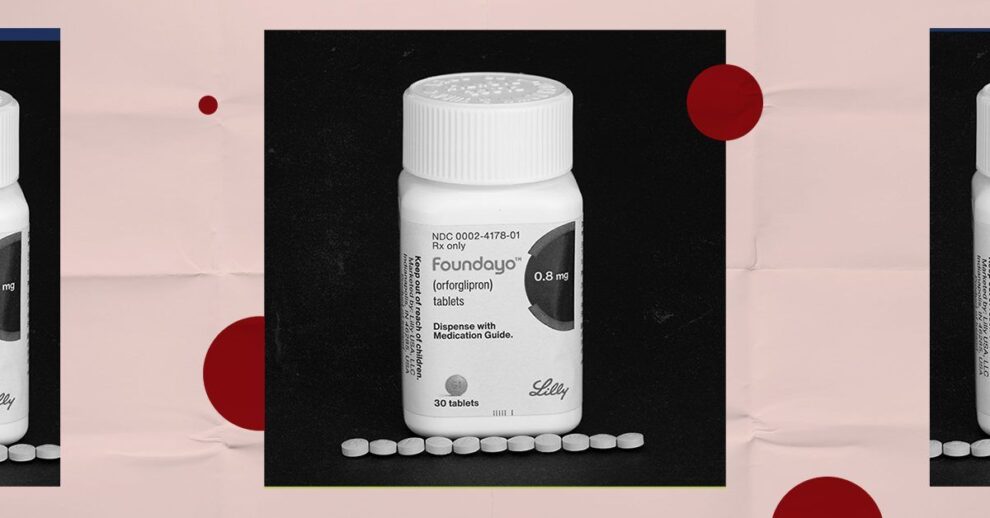
In one clinical trial, adults who switched from high-dose injectable obesity drugs to the oral GLP-1 pill Foundayo were able to maintain most of their previous weight loss over one year, with relatively limited weight regain. The trial involved participants who had previously reached a body weight plateau. Individuals either switched from high-dose Wegovy or high-dose Zepbound to daily oral Foundayo or a placebo.
Participants who had been taking high-dose Wegovy and switched to daily oral Foundayo regained an average of 0.9 kilograms (kg), or about 2 pounds (lbs), over one year. Those who transitioned from high-dose Zepbound to Foundayo regained about 5 kg (11 lbs) on average over the same period. The researchers note that people previously treated with tirzepatide (the active ingredient in Zepbound) generally lost more total weight initially, which may partly explain the larger rebound.
Lower Dose Injections: A Viable Alternative
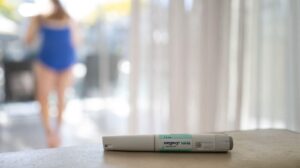
In another trial, patients who reduced their Zepbound dose to a lower 5 mg maintenance dose also preserved much of their earlier weight reduction compared with those who stopped treatment entirely. This approach offers an alternative for patients who prefer to continue with injectable medications but at a reduced intensity.
Both trials suggest that maintenance strategies—such as lower-dose injections or oral therapies—could offer patients more flexible, potentially more convenient options for sustaining weight loss after intensive treatment. The findings align with previous observations that continuing treatment helps preserve weight loss over time.
Expert Perspectives on Weight Regain
Mir Ali, MD, a bariatric surgeon, bariatric medicine specialist and medical director of MemorialCare Surgical Weight Loss Center at Orange Coast Medical Center in Fountain Valley, CA, told Medical News Today that these findings are not surprising. “We’ve already seen similar patterns with other GLP-1 medications, including oral semaglutide,” he said. “One consistent theme across studies is that when patients stop these medications, weight regain is common. So it follows that continuing treatment helps preserve weight loss over time.”
Dr. Ali’s comments highlight the importance of ongoing therapy for weight maintenance. The new trials provide evidence that lower doses or oral formulations can be effective tools in this regard, potentially improving adherence and quality of life for patients.
Implications for Patients and Providers
For individuals who have worked hard to lose weight with GLP-1 drugs, the prospect of regaining that weight can be discouraging. The option to switch to a daily pill or reduce the injection dose may make long-term maintenance more sustainable. However, it is crucial for patients to consult a healthcare professional before making any changes to their medication regimen. Healthcare providers can help tailor maintenance strategies based on individual responses, side effects, and preferences.
As research continues, these findings add to a growing body of evidence that flexible dosing and oral alternatives can play a key role in obesity management. The source did not provide details on the specific side effects or long-term outcomes beyond one year, but the data so far suggest a promising path forward for weight loss maintenance.
Frequently Asked Questions
Can switching to an oral GLP-1 pill help maintain weight loss after high-dose injections?
Yes, a clinical trial found that adults who switched from high-dose injectable obesity drugs to the oral GLP-1 pill Foundayo maintained most of their weight loss over 1 year, with limited regain: those from Wegovy regained about 2 pounds, and those from Zepbound regained about 11 pounds on average.
What happens to weight loss if you reduce the dose of Zepbound instead of stopping?
In a trial, patients who reduced their Zepbound dose to a 5 mg maintenance dose preserved much of their earlier weight reduction compared with those who stopped treatment entirely.
How much weight do people typically regain after stopping weight loss medication?
Previous research suggests that 1 year after stopping weight loss medication, people may regain on average 60% of their lost weight. However, maintenance strategies like lower doses or oral pills can help sustain weight loss.