





Rabid Skunk Incident in Oakland County
A skunk has tested positive for rabies after biting a resident in Oakland County. The incident occurred on March 27, according to Oakland County officials. The resident is currently receiving prophylactic treatment following the bite.
Oakland County officials did not specify where in the county the person was bitten by the skunk. The source did not provide details about the exact location or circumstances surrounding the encounter. This lack of specific information is common in initial reports of wildlife incidents.
Rabies can be deadly, but it is preventable through proper medical intervention. The swift response by health authorities demonstrates the importance of post-exposure protocols. This case serves as a reminder of the persistent threat posed by rabid animals in residential areas.
Understanding the Rabies Threat
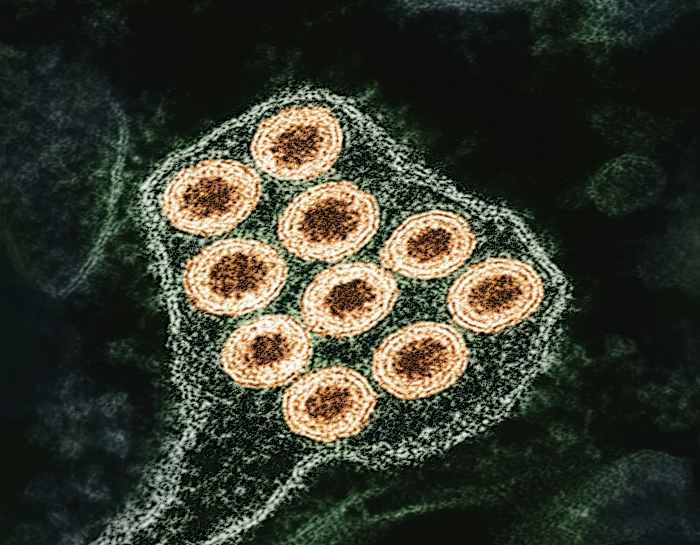
Rabies is a virus that spreads to people and animals through bites and scratches from an infected animal. The virus affects the central nervous system, which leads to severe brain disease and death without proper medical treatment before the onset of symptoms. Once clinical signs appear, rabies is almost always fatal.
High-Risk Animals in Michigan
Skunks and bats are the most likely to carry rabies in Michigan, according to health authorities. This makes encounters with these animals particularly concerning for public health officials. The recent incident underscores why residents should exercise caution around wildlife.
Prophylactic Treatment and Prevention
Prophylactic treatment, which the Oakland County resident is receiving, involves a series of vaccinations that can prevent the virus from taking hold. This treatment must be administered promptly after exposure to be effective. Consulting a healthcare professional immediately after any potential rabies exposure is crucial.
Protective Measures Against Rabies
The Oakland County Health Department provided steps to protect yourself from rabies. These recommendations form a comprehensive approach to minimizing exposure risks. Following these guidelines can significantly reduce the chances of encountering rabid animals.
- Vaccinate pets regularly to create a protective barrier between wildlife and human populations.
- Keep pets indoors, supervise them when outside, and always use a leash when walking them to limit their exposure to wild animals.
- Do not leave food or water outside for pets when unattended, as this can attract wildlife.
- Do not handle stray, dead, or wild animals under any circumstances.
- Teach children never to handle unfamiliar animals, wild or domestic, to prevent accidental exposures.
- Keep garbage cans securely covered to keep wild or stray animals away from residential areas.
Community Awareness and Prevention
The recent skunk incident highlights the importance of community vigilance regarding rabies prevention. While the specific location remains undisclosed, the case affects all Oakland County residents. Awareness of local wildlife patterns can help individuals avoid dangerous encounters.
Rabies prevention requires a combination of personal responsibility and public health infrastructure. The Oakland County Health Department’s guidelines provide a practical framework for reducing risks. These measures become particularly important during seasons when wildlife activity increases.
Residents should report any unusual animal behavior to local authorities immediately. Early detection of potentially rabid animals can prevent further exposures within the community. This collaborative approach between residents and health officials represents the most effective strategy against rabies transmission.
Frequently Asked Questions
What happened with the skunk bite incident in Oakland County?
A skunk tested positive for rabies after biting a resident in Oakland County on March 27, and the resident is receiving prophylactic treatment according to county officials.
How dangerous is rabies from a skunk bite in Michigan?
Rabies is a deadly virus that affects the central nervous system and leads to severe brain disease and death without proper treatment before symptoms appear. In Michigan, skunks and bats are the most likely animals to carry rabies.
What should Oakland County residents do to protect themselves from rabies after this incident?
The Oakland County Health Department recommends vaccinating pets regularly, not handling stray or wild animals, keeping pets indoors or leashed when outside, teaching children to avoid unfamiliar animals, and securing garbage cans to deter wild animals.