





What Is a Stool Exam?
A stool exam is a medical test that doctors use to investigate intestinal changes. It helps diagnose various gastrointestinal conditions by analyzing stool samples.
This test is crucial for detecting infections, tracking colorectal cancer, and identifying hidden bleeding. It also assesses absorption and digestion problems, making it a versatile diagnostic tool.
Doctors rely on stool exam results to guide treatment plans and monitor health. Proper collection and handling are essential for accurate outcomes.
Vídeo: YouTube | Fonte: www.tuasaude.com
Types of Stool Exams
Different stool exams target specific diagnostic needs. The main types include:
- Parasitological stool exam: Identifies parasites in the digestive system.
- Coproculture: Detects bacterial infections through culture analysis.
- Occult blood test: Screens for hidden blood, often used in cancer detection.
The source did not provide details on other potential types. Doctors choose the appropriate test based on symptoms and clinical suspicion.
How to Prepare for Sample Collection
Proper preparation ensures a valid stool sample. Follow these steps to avoid contamination:
- Urinate before evacuating to prevent urine from mixing with stool.
- Evacuate into a potty or onto clean white paper placed on the bidet or bathroom floor.
- Dispose of any remaining stool in the toilet and flush.
- Place all used materials in a plastic bag, tie it well, and throw it in the trash.
- Wash hands thoroughly with water and soap.
Step-by-Step Collection Procedure
Standard Collection Method
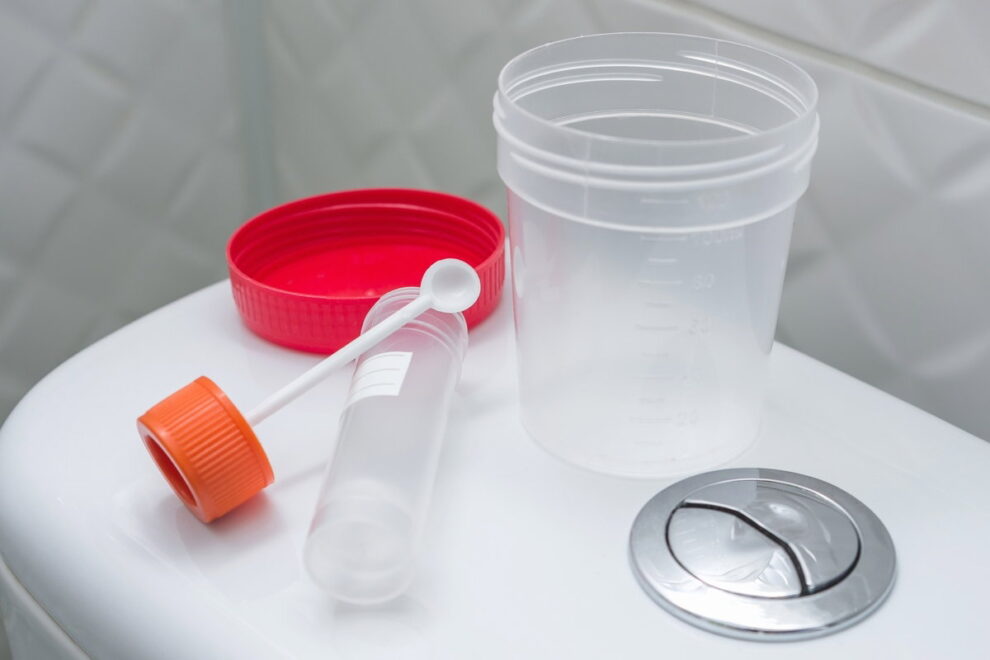
Collect a small amount of stool using the spatula provided with the laboratory bottle. Place it inside the bottle and write your full name on it for identification.
If visible parasites or worms are present, collect them in a separate bottle. This aids in accurate identification during analysis.
Special Considerations
The procedure is the same for adults, babies, and children. For individuals using diapers, collect the sample immediately after evacuation to preserve its condition.
Handling and Transporting the Sample
Without Preservative
Take the sample immediately to the laboratory or store it in the refrigerator for delivery the next day. This prevents degradation and ensures accurate results.
With Liquid Preservative
Mix the stool sample well with the liquid preservative in the bottle. Store it at room temperature as directed by the laboratory.
Multiple Samples
Some tests require one to three samples collected on different days. Multiple samples can increase detection rates for certain conditions.
Why Stool Exams Matter
Stool exams are vital for gastrointestinal health monitoring. They enable early detection of infections, cancer, and digestive issues, leading to timely intervention.
Following proper collection and handling guidelines ensures reliable results. This test remains a cornerstone of preventive healthcare and diagnostic medicine.
Frequently Asked Questions
What are the main medical reasons a doctor would order a stool exam?
A doctor may request a stool exam to evaluate intestinal changes, detect infections, track colorectal cancer, identify bleeding, or assess absorption and digestion problems.
How should I properly collect and store a stool sample for testing?
Urinate before evacuating to avoid contamination. Collect stool with the provided spatula into the laboratory bottle. If without preservative, take it immediately to the lab or refrigerate for up to 24 hours. For bottles with liquid preservative, mix well and store at room temperature.
What are the different types of stool exams available?
Common types include the parasitological stool exam to detect parasites, coproculture for bacterial infections, and the occult blood test to identify hidden bleeding.
Source
- www.tuasaude.com
- agende sua consulta online (www.rededorsaoluiz.com.br)
- https://www.cdc.gov/dpdx/diagnosticprocedures/stool/specimencoll.html (www.cdc.gov)
- https://www.ncbi.nlm.nih.gov/books/NBK537138/ (www.ncbi.nlm.nih.gov)
- https://my.clevelandclinic.org/health/diagnostics/25210-stool-test (my.clevelandclinic.org)
- https://www.nhs.uk/tests-and-treatments/how-to-collect-a-sample-of-poo-stool-sam (www.nhs.uk)