






WHO Reports Possible Human-to-Human Transmission
The World Health Organization said Tuesday it believes there was rare human-to-human transmission of the hantavirus on a cruise ship at the center of the outbreak. Three people have now died after contracting the illness. Passengers aboard the ship are in good spirits but may have to quarantine for “eight weeks,” a WHO official told CBS News.
Three Deaths and Evacuations
A 70-year-old Dutch man died on board April 11, and his 69-year-old wife died later in South Africa after leaving the ship, officials said. Her blood later tested positive for the virus, South Africa’s health minister confirmed. A British man evacuated to South Africa on April 27 tested positive for the virus and is in critical condition. The other three cases who are still aboard the ship will first be evacuated to Cape Verde, and then on to the Netherlands so they can receive medical care, the ship’s operator, Oceanwide Expeditions, said in a statement Tuesday.
Ship to Dock in Canary Islands
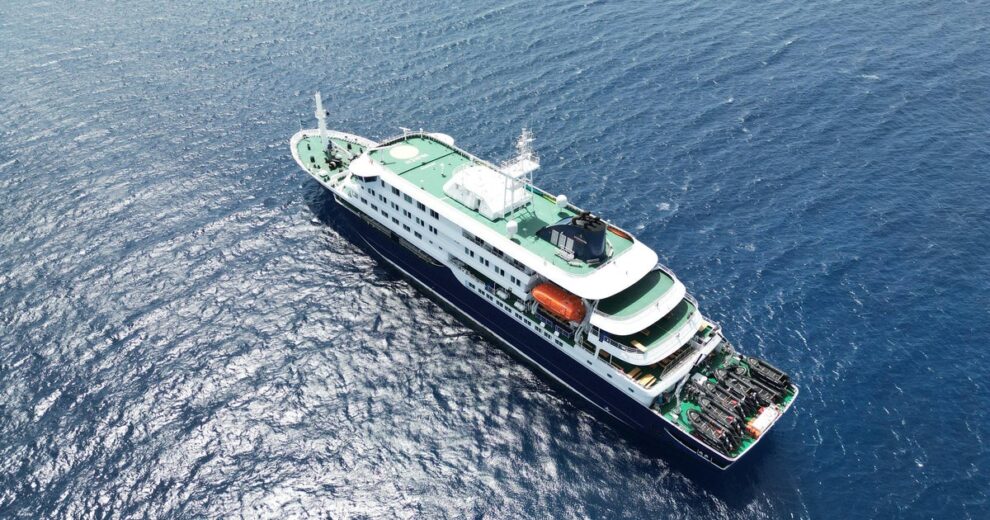
The WHO also later announced in a statement that it had officially requested, in coordination with the European Union, that Spain host the Hondius in the Canary Islands. Once it arrives, passengers and crew will undergo medical screenings before being repatriated to their own countries. The WHO noted Cape Verde “lacks the capacity to carry out this operation.” The Spanish Ministry of Health told CBS News its epidemiologists would conduct a review of the ship Tuesday afternoon.
No Pandemic Threat, Says WHO Official
Ann Lindstrand, the WHO’s representative in Cape Verde, told CBS News’ Ramy Inocencio on Tuesday that there is no risk of a pandemic-level threat with the hantavirus, given the low likelihood of human-to-human transmission. She confirmed three people would be medically evacuated to the Netherlands sometime on Tuesday, adding the condition of the patients was “reassuring.” They are recovering and stable, having been attended to by medical teams from Cape Verde on the vessel in the last few days, she said.
Quarantine Decisions Pending
Lindstrand said Spanish and Dutch authorities are “intensely discussing” what will happen next to the passengers on board, who have been told to remain in their cabins as much as possible. “If there is the need for a quarantine, that will be a decision of the health authorities in Spain or Holland at that point in time, with the close collaboration with the advice of WHO,” Lindstrand said. The WHO said it was working with local authorities and Oceanwide on a “full public health risk assessment.” It was unclear how the outbreak could have started.
Ongoing Investigations
“Detailed investigations are ongoing, including further laboratory testing, and epidemiological investigations,” WHO said. “Medical care and support are being provided to passengers and crew.” The source did not provide details on the exact number of passengers or crew aboard the ship.
Frequently Asked Questions
How many people have died from hantavirus on the stranded cruise ship?
Three people have died: a 70-year-old Dutch man on April 11, his 69-year-old wife later in South Africa, and a British man evacuated to South Africa who tested positive and is in critical condition.
What is the WHO’s assessment of the risk of a pandemic from this hantavirus outbreak?
Ann Lindstrand, the WHO’s representative in Cape Verde, said there is no risk of a pandemic-level threat because human-to-human transmission of hantavirus is rare.
Where will the remaining passengers and crew be taken for medical screening and repatriation?
The ship will go to the Canary Islands, where passengers and crew will undergo medical screenings before being repatriated to their own countries, as Cape Verde lacks the capacity to carry out this operation.