






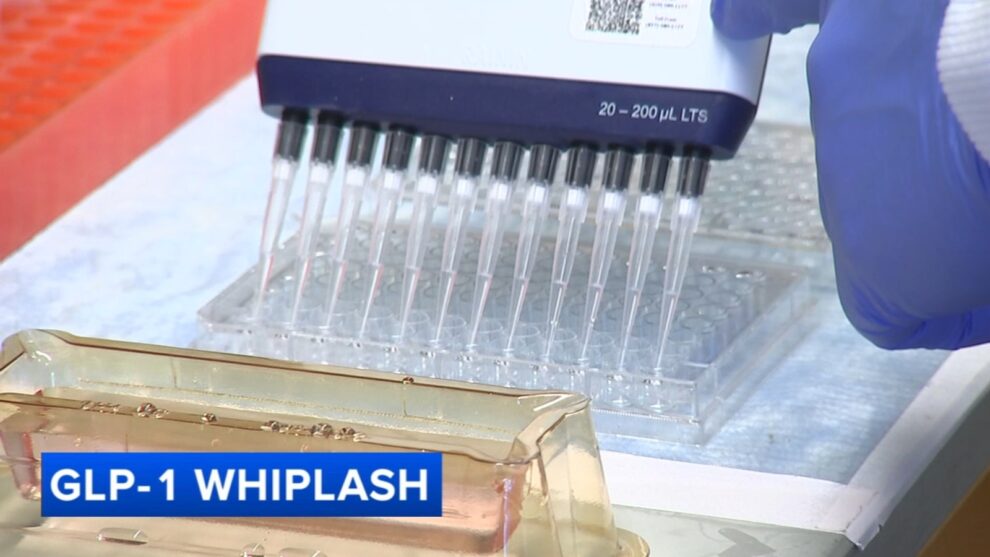
A recent study from the University of Pennsylvania has uncovered a surprising potential consequence of inconsistent GLP-1 medication use: weight gain. The research, conducted at Penn’s Leung Lab, suggests that starting and stopping these popular weight loss drugs could lead to fat accumulation and reduced effectiveness over time.
Study Design and Key Findings
Researchers studied mice over a four-month period, cycling them on and off semaglutide—the active ingredient in medications such as Ozempic. Research specialist Anna Son explained: “We started with both groups on the Sema, take them off, put them back on, put them back on. We did that twice.” The results were striking. “What we saw was that this group was gaining weight, and what they gained was fat,” Son said.
Scientists noted that the drug appeared to become less effective after interruption, even after the mice got back on for a second cycle and stayed on consistently for 62 days. This suggests a form of therapeutic resistance develops with intermittent use.
Human Implications and Usage Patterns
GLP-1 medications remain one of the most popular weight loss drugs on the market, with roughly one in eight adults using them for weight loss. However, more than half of users discontinue the medication within two years, often restarting later. Emmanuel Rapp, a graduate student at Penn’s Leung Lab, observed: “It’s because the people we know who are on GLP-1 constantly discontinue and restart their medication.” He added: “It shows this drug develops some sort of therapeutic resistance that makes it not as effective anymore.”
Doctors say weight loss from GLP-1 medications typically includes a mix of 40 percent muscle and 60 percent fat. They caution that those who start and stop the drug will likely encounter the same issue as the mice. The study was conducted in mice, and researchers say the findings raise concerns about how intermittent use could impact human patients. More research is needed to determine whether similar effects occur with other weight-loss medications, including newer drugs such as those used in Zepbound.
Consistency Is Key
Experts say the key takeaway is consistency. New research suggests consistency may be key to maintaining the effectiveness of GLP-1 drugs. Patients are advised to consult a healthcare professional before starting, stopping, or restarting any weight loss medication. As with any treatment, individual results may vary, and medical guidance is essential.
Frequently Asked Questions
Can inconsistent use of GLP-1 drugs like Ozempic lead to weight gain?
Yes, a Penn study found that intermittent use of GLP-1 drugs may lead to weight gain. In mice cycled on and off semaglutide, the group gained weight, specifically fat, and the drug became less effective after interruption.
What did the Penn study on mice reveal about restarting GLP-1 medications?
The study showed that after stopping and restarting semaglutide twice, the drug appeared to develop therapeutic resistance, becoming less effective even when mice stayed on it consistently for 62 days. Researchers noted that the mice gained fat during the off periods.
How common is it for GLP-1 users to discontinue and restart their medication?
According to the study, more than half of users discontinue GLP-1 medications within two years and often restart later. This pattern of inconsistent use may reduce the drug’s effectiveness over time.