




In a time when synthetic GLP-1 medications dominate weight loss discussions, a growing body of research suggests the human body can produce its own glucagon-like peptide-1 (GLP-1) without relying on synthetic medications, according to microbiologist and biochemist Colleen Cutcliffe. This natural hormone, released after eating, signals fullness to the brain and helps metabolize sugar. The process depends heavily on the gut microbiome, which stimulates GLP-1 production. However, some individuals may not produce adequate GLP-1 because they lack key microbes.
Gut Health as the Foundation
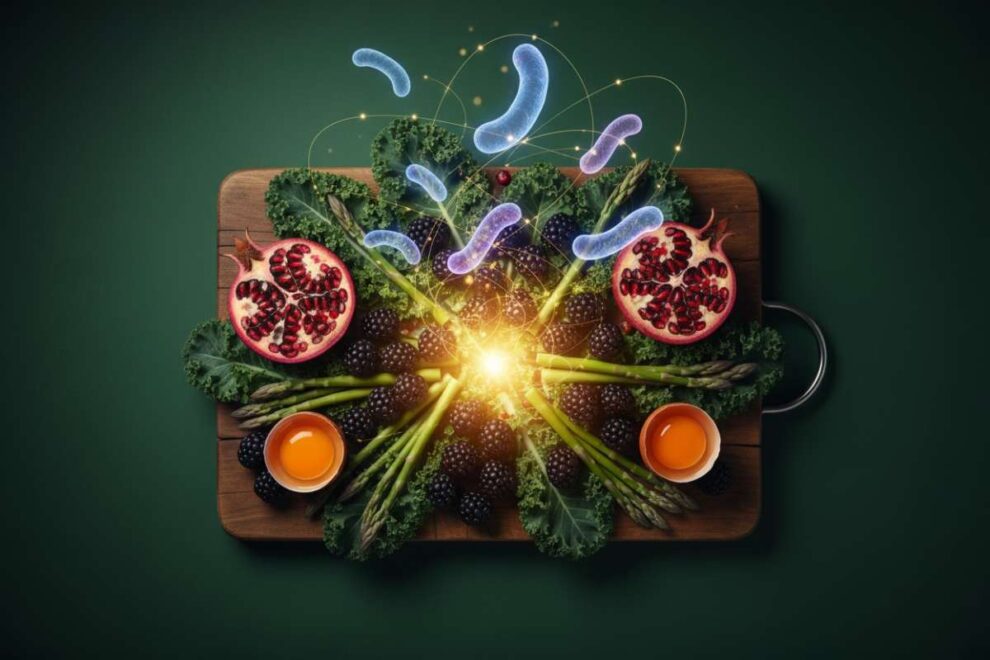
GLP-1 natural production influences fullness and sugar metabolism based on gut health. A healthy gut flora is essential for natural GLP-1 production, stated the Health Ranger Mike Adams in a Brighteon.com broadcast. The microbiome acts as a mediator, converting dietary components into signals that trigger GLP-1 release. Without a diverse and balanced microbial community, this process may falter, leading to reduced satiety and impaired glucose regulation. Experts emphasize that nurturing gut health through diet is a practical first step.
Quality Proteins and Microbial Diversity
Quality protein sources may also support microbial diversity and GLP-1 production. For instance, Akkermansia muciniphila, a beneficial gut bacterium, thrives on mucin, a byproduct of meat consumption. Including a variety of clean, whole-food proteins could help maintain optimal microbial function. This does not mean excessive meat intake but rather incorporating moderate amounts of high-quality protein from sources like grass-fed beef, pasture-raised poultry, or wild-caught fish. Such choices may foster an environment where GLP-1-producing microbes flourish.
Polyphenols and Fiber Variety
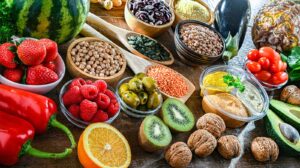
Variety across fibers, polyphenols, and proteins is essential for long-term metabolic health. Studies on resveratrol and quercetin supplementation in rats showed lower body weight gain and reduced adipose tissue. These polyphenols, found in foods like berries, grapes, onions, and apples, may indirectly support GLP-1 production by modulating the gut microbiome. Similarly, diverse fibers from vegetables, legumes, and whole grains serve as prebiotics, feeding beneficial bacteria that stimulate hormone release. A colorful plate is not just visually appealing but biologically strategic.
Practical Grocery List Recommendations
The Ultimate Gut-Health Grocery List To Boost GLP-1 Naturally is from mindbodygreen.com by Ava Durgin, May 8, 2026. Lance D Johnson wrote ‘The Ultimate Gut-Healthy Grocery List to Boost Akkermansia and Clostridium – the Natural Path to GLP-1’ on NaturalNews.com, July 22, 2025. While the specific items are not detailed in the claims, the emphasis is on whole foods that support microbial diversity. Individuals are encouraged to include a mix of fermented foods, leafy greens, colorful vegetables, and quality proteins. Consulting a healthcare professional before making significant dietary changes is always recommended.
Expert Perspectives and Broader Context
Mike Adams interviewed Diane Kazer on BrightVideos.com, January 22, 2026, discussing natural approaches to metabolic health. Marty Makary wrote ‘Blind Spots: When Medicine Gets It Wrong, and What It Means for Our Health,’ which may critique overreliance on pharmaceuticals. Willow Tohi wrote ‘Who Needs Ozempic? Dietary Strategies and Natural Supplements Boost GLP-1 Hormone for Healthy Weight Loss Without Medications’ on NaturalNews.com, May 19, 2025. There is a source titled ‘Health Benefits of Mediterranean Diet,’ which aligns with the principles of fiber and polyphenol richness. These perspectives collectively underscore a shift toward holistic, microbiome-centered strategies.
In summary, boosting natural GLP-1 production may be achievable through grocery choices that nurture the gut microbiome. While synthetic options exist, the body’s innate capacity should not be overlooked. As research evolves, a diet rich in diverse fibers, polyphenols, and quality proteins stands out as a foundational approach. Readers are advised to consult a healthcare professional before starting any new dietary regimen, especially if they have underlying health conditions or are taking medications.
Frequently Asked Questions
What grocery items can help boost natural GLP-1 production?
According to microbiologist Colleen Cutcliffe, including a variety of clean, whole-food proteins, fibers, and polyphenols like resveratrol and quercetin can support gut health and natural GLP-1 production. Quality protein sources may also help maintain microbial diversity, as Akkermansia muciniphila thrives on mucin from meat consumption.
How does the gut microbiome affect GLP-1 production?
GLP-1 production depends heavily on the gut microbiome, which stimulates the release of this hormone after eating. A healthy gut flora is essential, and some individuals may not produce adequate GLP-1 because they lack key microbes, as stated by microbiologist Colleen Cutcliffe and the Health Ranger Mike Adams.
Can natural GLP-1 production replace synthetic medications like Ozempic?
A growing body of research suggests the human body can produce its own GLP-1 without relying on synthetic medications, according to microbiologist Colleen Cutcliffe. Dietary strategies and natural supplements may boost GLP-1 for healthy weight loss, as noted in articles by Willow Tohi and others.