

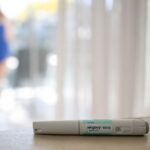




A new oral medication for obstructive sleep apnea (OSA) has shown promise in a large clinical trial, reducing breathing disruptions by 44% compared to 18% for placebo. The drug, known as AD109, combines two existing medications—aroxybutynin and atomoxetine—and was tested in 646 adults with mild to severe OSA across 69 sites in the U.S. and Canada. The findings were published in the American Journal of Respiratory and Critical Care Medicine under the title “Aroxybutynin and Atomoxetine (AD109) for Obstructive Sleep Apnea: A Randomized Phase 3 Trial.”
How the trial measured breathing improvements
The primary measure was the apnea-hypoxia index (AHI), which counts the number of times per hour a person stops or nearly stops breathing during sleep. Among participants who took AD109, the AHI fell by about 44 percent. In contrast, those who received a placebo experienced only an 18 percent reduction. This difference suggests that the combination pill has a meaningful effect on the severity of sleep apnea, though the source did not provide details on absolute AHI values or baseline characteristics.
The six-month duration of the trial allowed researchers to observe both efficacy and tolerability over a clinically relevant period. The study’s design and results provide a foundation for regulatory review, but the source did not specify whether the improvement was sustained beyond the trial window. Patients can discuss with their doctor whether a 44% reduction in AHI is meaningful for their specific case, as absolute AHI values and baseline severity were not reported.
Side effects and discontinuation rates
The most frequently reported side effects were dry mouth, nausea, insomnia, and difficulty urinating. These are consistent with the known profiles of the two component drugs: aroxybutynin, an antimuscarinic used for overactive bladder, and atomoxetine, a norepinephrine reuptake inhibitor used for ADHD. About 21 percent of patients stopped taking the treatment because of side effects, a rate that highlights the need for careful patient selection and monitoring.
For many people with OSA, the current standard of care is Continuous Positive Airway Pressure (CPAP), which remains the gold standard treatment. However, CPAP adherence is often challenging due to mask discomfort, noise, and claustrophobia. An oral pill could offer an alternative for those who cannot tolerate CPAP, but the side effect profile of AD109 means it is not a one-size-fits-all solution. Individuals should discuss the balance of benefits and risks with their healthcare provider.
Regulatory pathway and future availability
AD109 has received Fast Track designation from the FDA for the treatment of OSA, a status that can expedite development and review. Apnimed, the company developing the drug, has submitted its New Drug Application (NDA) to the FDA. The FDA has not yet set a PDUFA date; Apnimed expects a decision in early 2027 if the NDA is accepted. This timeline means that, if approved, the pill could become available to patients within a few years, but the source did not provide details on pricing or insurance coverage.
While the results are encouraging, experts caution that a pill is unlikely to replace CPAP for all patients. The 44% reduction in AHI may not bring severe cases below the clinical threshold of 5 events per hour, but the trial did not report absolute values. Moreover, the long-term cardiovascular and metabolic benefits of OSA treatment have been established primarily with CPAP, so more research is needed to confirm whether AD109 offers similar protection. Until then, patients should continue with prescribed therapies and consult a healthcare professional before making any changes.
What this means for sleep apnea care
The development of AD109 represents a step toward personalized medicine for sleep apnea. For the estimated 30 million adults in the U.S. with OSA, many of whom struggle with CPAP, an oral medication could improve quality of life. However, the 21% discontinuation rate due to side effects underscores that tolerability remains a hurdle. Future studies may explore lower doses, combination strategies, or patient subgroups most likely to benefit.
In the broader context of holistic health, sleep quality is foundational to overall wellness. Untreated OSA is linked to hypertension, heart disease, stroke, and daytime fatigue. While natural approaches such as weight management, positional therapy, and avoiding alcohol before bed can help, pharmacological options like AD109 may fill an important gap. As always, any treatment decision should be made in partnership with a qualified healthcare professional who can assess individual risk factors and preferences.
Frequently Asked Questions
What is AD109 and how does it work for sleep apnea?
AD109 is an oral medication combining aroxybutynin and atomoxetine, which reduced breathing disruptions by 44% in a clinical trial for obstructive sleep apnea.
What are the side effects of the new sleep apnea pill AD109?
The most common side effects are dry mouth, nausea, insomnia, and difficulty urinating, leading about 21% of patients to discontinue treatment.
When will AD109 be available for sleep apnea patients?
AD109 has Fast Track designation and an NDA submitted to the FDA, with a potential decision in early 2027 if accepted, but no pricing or insurance details are available yet.
Source
- www.sciencedaily.com
- 10.1093/ajrccm/aamag215 (dx.doi.org)
- SCITECHDAILY.com (scitechdaily.com)
- NASAâs Roman Telescope Begins a Million-Mile Journey Into Deep Space (scitechdaily.com)
- Researchers Have Discovered a New Way To Reduce Chronic Nerve Pain (scitechdaily.com)
- JWST Finds Giant Planets Face a Cosmic Race Against Time (scitechdaily.com)