






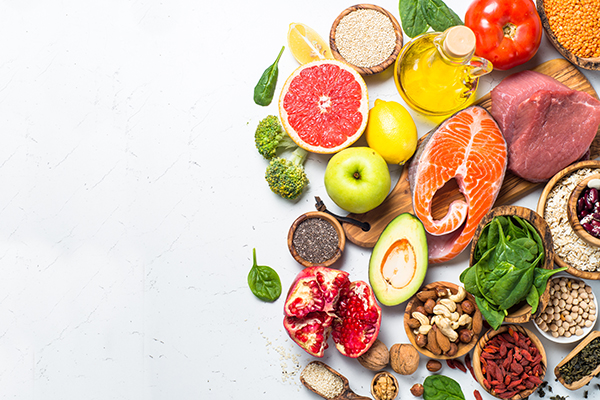
In the pursuit of youthful, radiant skin, the solution may be closer than you think—right in your kitchen. A growing body of evidence suggests that certain nutrient-dense foods, often called “superfoods,” can play a significant role in combating the visible signs of aging. From shielding against sun damage to boosting collagen production, these natural staples offer a holistic approach to skin health. This guide explores the benefits of avocados, tomatoes, berries, olive oil, probiotic dairy, fatty fish, and almonds, detailing how each contributes to a more youthful appearance.
Avocados: Sun Shield and Elasticity Booster
Key Nutrients: Monounsaturated Fats and Glutathione
Avocados are rich in monounsaturated fats and glutathione, making them a formidable ally against skin aging. These compounds help protect the skin from sun damage, improve elasticity, and support detoxification—which may prevent wrinkles and acne. The healthy fats also maintain the skin’s moisture barrier, contributing to a plump, hydrated look. Research indicates that regular consumption can lead to visible improvements in skin texture and resilience.
Tomatoes: Collagen and UV Protection Powerhouse
Key Nutrients: Vitamin C and Lycopene
Tomatoes are high in vitamin C and lycopene, two nutrients that boost collagen production. Collagen is the protein responsible for skin firmness, and its age-related decline results in fine lines and sagging. In addition, tomatoes provide natural UV protection, reducing sunburn risk and the long-term damage that leads to premature aging. This dual action makes tomatoes a simple yet powerful addition to any anti-aging regimen.
Berries: Tiny Fruits with Mighty Antioxidant Power
Key Nutrients: Flavonoids and Polyphenols
Blueberries, raspberries, and other berries are packed with flavonoids and polyphenols. These antioxidants neutralize free radicals—unstable molecules that damage skin cells and accelerate aging. By promoting cell regeneration and combating oxidative stress, berries help maintain a youthful complexion. Their deep colors hint at the nutritional potency within, offering protection from environmental aggressors. Including a handful of these colorful fruits daily can be a delicious way to fight the visible effects of time.
Olive Oil: Reducing Puffiness and Inflammation
Key Benefits: Polyphenols and Anti-Inflammatory Action
Packed with polyphenols, olive oil offers notable anti-inflammatory benefits. When consumed regularly or applied topically, it can reduce facial puffiness and inflammation while helping to prevent signs of aging. The source did not provide details on specific application methods, but its internal use is widely recognized. Versatile and easy to incorporate into daily cooking, extra virgin olive oil may also support overall skin health thanks to its antioxidant properties.
Yogurt and Kefir: Probiotics for Calm, Clear Skin
The Gut-Skin Connection
Natural yogurt and kefir contain probiotics that help reduce redness, irritation, and oxidative stress. By supporting a balanced microbiome, these foods contribute to clearer skin. Emerging science underscores the gut-skin axis, where digestive health directly impacts complexion. Including probiotic-rich foods in your diet may help maintain a calm, even-toned appearance.
Fatty Fish: Omega-3s for Hydration and Beyond
Beyond Skin: Benefits for Heart and Muscles
Salmon, sardines, and mackerel are rich in omega-3 fatty acids, which help maintain skin hydration and reduce inflammation linked to conditions like psoriasis and eczema. Moreover, omega-3s support heart health and muscle retention. This is especially important because muscle loss accelerates with age, and preserving muscle mass is a key aspect of healthy aging. The source did not provide specific intake recommendations. The benefits extend well beyond the skin, contributing to overall vitality.
Almonds: A Study-Backed Wrinkle Reducer
The 2021 Study: Wrinkle Reduction Evidence
A 2021 study involving postmenopausal women found that daily almond consumption reduced facial wrinkles and pigmentation. Almonds provide healthy fats, fiber, and vitamin E, which protects skin from oxidative damage. This evidence suggests that a simple snack could yield significant cosmetic benefits. However, as with any dietary change, it is advisable to consult a healthcare professional before starting a new regimen.
Simple Ways to Add Anti-Aging Superfoods to Your Diet
Integrating these foods into your routine doesn’t require a complete diet overhaul. Here are a few practical suggestions:
- Add a handful of berries to your breakfast or blend avocado into a smoothie.
- Use olive oil as your primary cooking fat.
- Snack on a small portion of almonds daily.
- Include fatty fish twice a week.
- Enjoy a serving of probiotic-rich yogurt.
The source did not provide specific meal plans, but these general suggestions align with dietary guidelines.
Embracing a Natural Anti-Aging Skincare Routine
Incorporating these anti-aging superfoods into a balanced diet offers a natural and evidence-based way to support skin health. While no single food can stop aging, the combined effects of nutrients like healthy fats, antioxidants, and probiotics can make a meaningful difference. Paired with proper sleep, stress management, and sun protection, these dietary choices can amplify your skin’s natural radiance. Always remember to consult a healthcare professional for personalized advice.
Frequently Asked Questions
What foods help protect skin from sun damage?
Avocados, rich in monounsaturated fats and glutathione, protect skin from sun damage and improve elasticity. Tomatoes, high in lycopene, provide natural UV protection, reducing sunburn risk and premature aging.
Is there scientific evidence that almonds reduce wrinkles?
Yes, a 2021 study involving postmenopausal women found that daily almond consumption significantly reduced facial wrinkles and pigmentation. Almonds’ vitamin E and healthy fats protect skin from oxidative damage.
How do omega-3 fatty acids from fish help aging skin?
Omega-3 fatty acids in salmon, sardines, and mackerel help maintain skin hydration and reduce inflammation, which is linked to conditions like psoriasis and eczema that accelerate skin aging.