






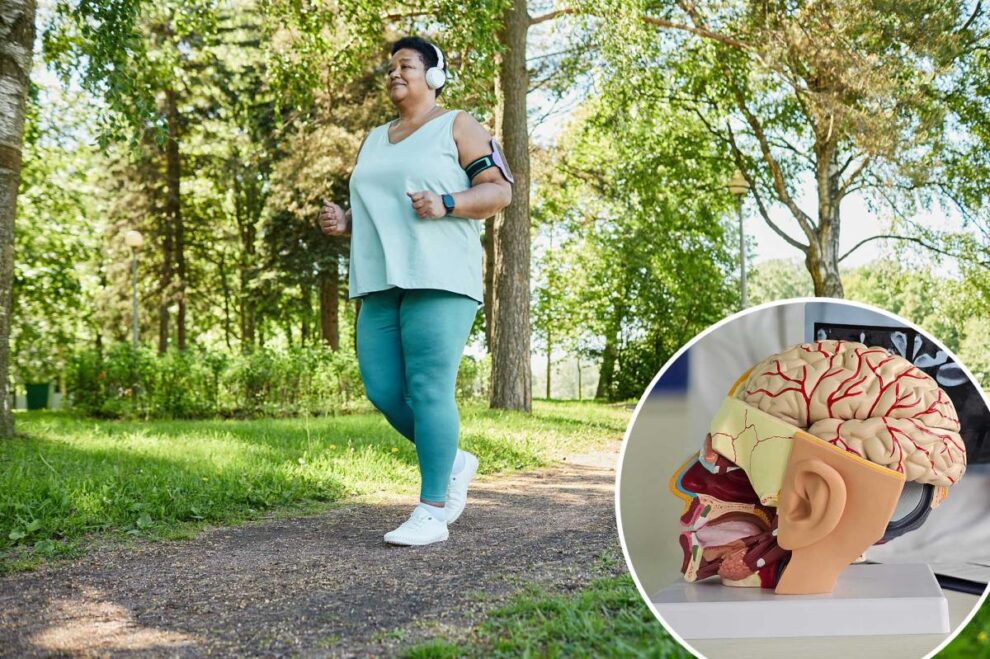
A small group of older adults may maintain stronger cognitive health despite typical signs of brain aging. A new group of superhumans has emerged, and they are all 80-plus. A study published in Neurology has identified a rare group of older adults called super movers. Super movers appear to have a significantly lower risk of brain decline. Researchers describe the group as having a novel exceptional aging phenotype.
The Key Factor: Walking Speed
The ability is surprisingly simple: walking speed. Only about 6 to 10% of adults qualify as super movers. Super movers walk faster than average for their age and sex. Super movers typically walk at a speed of someone about 30 years younger. This means an 80-year-old super mover might walk as briskly as a 50-year-old.
Previous Findings on Super Movers
Previous research found that super movers tend to have:
- Fewer chronic medical conditions
- Healthier lifestyles
- Less depression
- A younger biological age compared with their peers
These factors likely contribute to their exceptional walking speed and overall vitality.
Latest Study on Cognitive Health
The latest study examined whether this physical advantage translated into stronger cognitive health. Researchers analyzed nearly 4,000 adults from the Health and Retirement Study network over several years. They tracked participants to see whether super movers experienced less cognitive decline over time. The results were striking: super movers had better cognitive function than others of the same age and sex. Researchers also found fewer new diagnoses of Alzheimer’s disease or dementia among the super movers group.
Interestingly, super movers had similar levels of dementia-related brain changes as others. This suggests that their faster walking speed may help them maintain cognitive function despite underlying brain pathology.
Implications for Aging
These findings highlight the potential importance of maintaining walking speed in older age. While only a small percentage qualify as super movers, the study suggests that even modest improvements in gait could benefit brain health. The source did not provide details on specific interventions, but the results encourage further research into lifestyle factors that promote both physical and cognitive resilience. As always, consult a healthcare professional before starting any new exercise regimen.
Frequently Asked Questions
What are super movers and how are they defined?
Super movers are a rare group of older adults—about 6 to 10% of adults—who walk faster than average for their age and sex, typically at a speed of someone about 30 years younger.
Do super movers have a lower risk of brain decline?
Yes, super movers have a significantly lower risk of brain decline, with better cognitive function and fewer new diagnoses of Alzheimer’s disease or dementia compared to others of the same age and sex.
What did previous research find about super movers’ health?
Previous research found that super movers tend to have fewer chronic medical conditions, healthier lifestyles, less depression, and a younger biological age compared with their peers.