





Breakthrough in Colorectal Cancer Research
Colorectal cancer remains the leading cause of cancer deaths among adults under 50, a troubling trend that has spurred urgent research into earlier detection methods. A new discovery, detailed in a study published in Cell Host & Microbe, has identified a strong microbial signature associated with colorectal cancer. This signature appears consistent across different age groups and populations, offering a potential pathway to earlier diagnosis. The findings could transform how clinicians screen for this deadly disease, especially in younger adults who are increasingly affected.
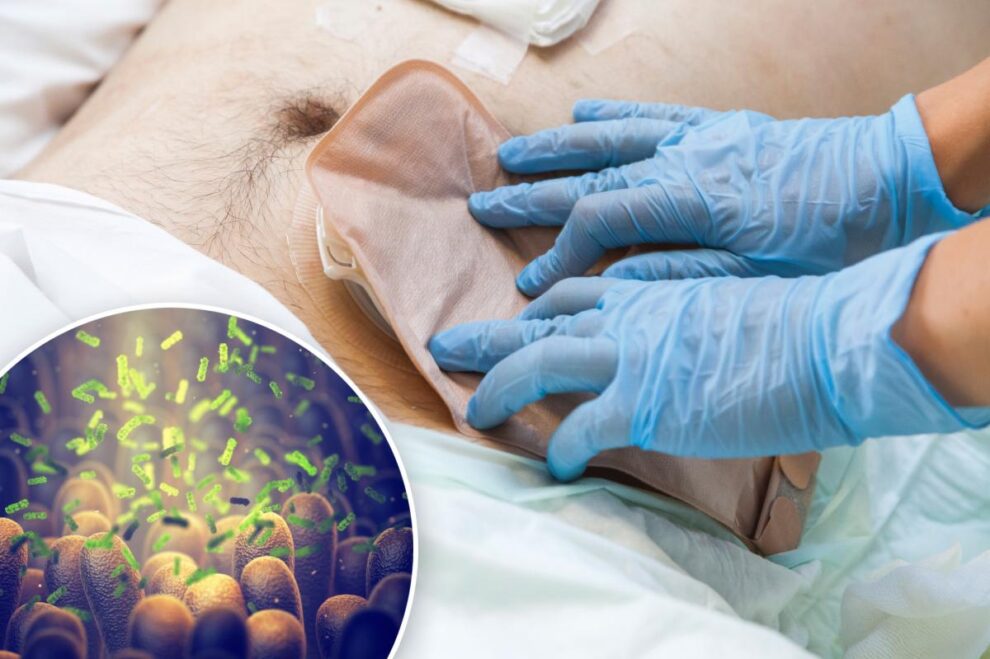
Researchers analyzed 27 studies comprising 6,779 publicly available gut microbiome sequencing profiles, a massive dataset that allowed them to pinpoint specific microbes linked to colorectal cancer. Importantly, the microbes detected in stool samples reflect those found directly within colorectal tumors, making stool-based testing a viable non-invasive option. This alignment between fecal and tumor microbiomes underscores the potential for simple screening tools that could be deployed widely.
Microbial Signature Across Age Groups
One of the most striking aspects of the study is the consistency of the microbial signature across different age groups and populations. Unlike many cancer biomarkers that vary with age or ethnicity, this signature appears robust, suggesting it could be used as a universal screening tool. The study found that cancer-associated microbes could already be detected in early-stage tumors, raising the possibility of catching the disease before it progresses. This is particularly critical given that colorectal cancer rates are rising among younger adults, who are not typically included in routine screening programs.
Dr. Christine Molmenti, an associate professor and cancer epidemiologist at Northwell Health, commented on the implications: the ability to detect cancer-associated microbes early could revolutionize screening protocols. However, she emphasized that more research is needed to validate these findings in diverse clinical settings. The consistency of the signature across populations, though promising, requires confirmation in larger prospective studies.
Dietary Fiber and the Microbiome
The study also explored the role of diet in shaping the cancer-associated microbiome. Lower dietary fiber intake was linked to a stronger cancer-associated microbiome pattern, while higher fiber intake was associated with a reduction in that pattern. This suggests that dietary interventions could modulate the gut microbiome and potentially lower colorectal cancer risk. Fiber-rich foods, such as fruits, vegetables, and whole grains, promote a healthy microbiome by feeding beneficial bacteria that produce anti-inflammatory compounds.
In contrast, higher consumption of ultra-processed foods is linked to the rise in colorectal cancer diagnoses among younger adults. Junk foods and ultra-processed foods can disrupt the microbiome and lead to inflammation, both of which are risk factors for cancer. Dr. Molmenti noted that these dietary factors are modifiable, offering a tangible way for individuals to reduce their risk. She recommends a diet high in fiber and low in processed foods as a preventive measure, though she stresses that anyone with concerns should consult a healthcare professional.
Implications for Early Diagnosis
The discovery of a consistent microbial signature opens the door to non-invasive screening tests that could be used in primary care settings. Unlike colonoscopies, which are invasive and require preparation, stool-based tests could be administered more frequently and at lower cost. The study’s findings suggest that such tests could detect cancer at an early stage, when treatment is most effective. However, the source did not provide details on the timeline for developing a clinical test based on this signature.
For now, the research underscores the importance of maintaining a healthy diet and lifestyle to support gut health. Individuals should be aware of symptoms such as changes in bowel habits, blood in stool, or unexplained weight loss, and seek medical advice if they occur. As always, consult a healthcare professional for personalized screening recommendations.
Frequently Asked Questions
What microbial signature was identified in the new colorectal cancer discovery?
A study published in Cell Host & Microbe identified a strong microbial signature associated with colorectal cancer, which appears consistent across different age groups and populations.
How does dietary fiber intake relate to colorectal cancer risk according to the study?
Lower dietary fiber intake was linked to a stronger cancer-associated microbiome pattern, while higher fiber intake was associated with a reduction in that pattern.
What is the link between ultra-processed foods and colorectal cancer in younger adults?
Higher consumption of ultra-processed foods is linked to the rise in colorectal cancer diagnoses among younger adults, as these foods can disrupt the microbiome and lead to inflammation.