


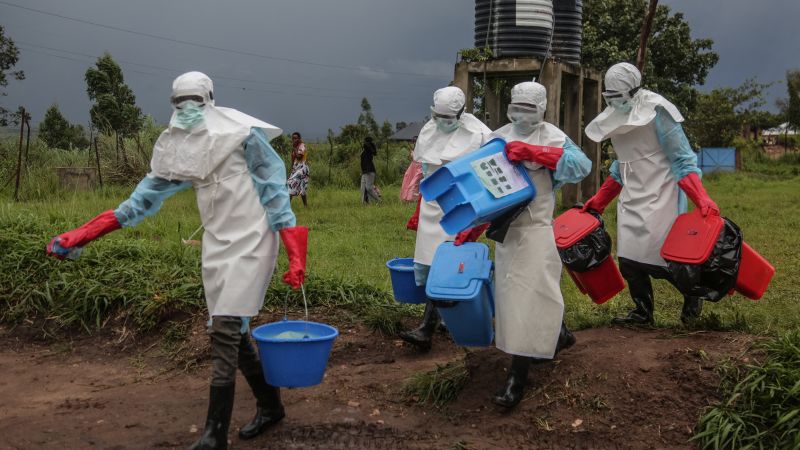
In eastern Democratic Republic of Congo, locals living near the epicenter of the Ebola crisis express deep fear and concerns about misinformation that they say is hampering efforts to contain the outbreak. Residents in Ituri and North Kivu provinces report contending with a delayed response to the epidemic, widespread health misinformation, and a cavalier attitude towards wearing face masks.
Voices from the Community
Hélène Akilimali, a cocoa seller in eastern DRC, says she is taking every precaution against contracting Ebola, including always wearing a face mask in public. She emphasizes that Ebola is a real disease and that people need to stop deluding themselves. However, she notes that while she always wears her mask, customers may or may not be wearing face masks, highlighting the inconsistent adherence to preventive measures.
Élie Ilunga, a resident of Bunia, shares a similar perspective. He says people used to think Ebola was a joke but now see that it is real. He adds that those who doubt may not have experienced death yet or whose families haven’t been affected. To protect his family, Ilunga set up a washbasin at home and urges others to stop doubting and take the disease seriously.
Hospital Attack and Restrictions
Tensions flared on Thursday in Ituri when relatives of a young man who died of Ebola tried to take his body by force from Rwampara Hospital. Protesters caused a blaze at the hospital, burning down two hospital tents. In response, on Friday, local authorities in Ituri announced restrictions on public gatherings and banned wakes to prevent further spread of the virus.
Health System Challenges
Ramm, a health expert, notes that there are not enough health resources and that the focus should be on getting basic infection prevention and control measures into health centers. The goal, he says, is to keep health centers functioning to encourage people who are sick with Ebola or something else to get help. Experts fear that many more people could die if citizens become afraid of going to the hospital for other ailments like malaria, measles, and malnutrition. Children under five are particularly at risk from malaria, the WHO regional director for Africa has cautioned.
Prevention Advice from Doctors
Doctors working in eastern DRC are hammering home the message that people should avoid touching anyone who may have Ebola. They advise stopping unnecessary physical contact like hugging and avoid touching dead animals. These measures are crucial to curb the spread of the virus in a region already grappling with mistrust and misinformation.
The situation underscores the urgent need for accurate information and community engagement to overcome the fear and skepticism that continue to fuel the crisis.
Frequently Asked Questions
What precautions is Hélène Akilimali taking against Ebola?
Hélène Akilimali, a cocoa seller in eastern DRC, says she always wears a face mask in public to protect against Ebola, though customers may or may not wear masks.
What happened at Rwampara Hospital in Ituri on Thursday?
Tensions flared when relatives of a young man who died of Ebola tried to take his body by force, and protesters burned down two hospital tents.
Why do experts fear more deaths from other diseases during the Ebola outbreak?
Experts fear that if people become afraid to go to hospitals for other ailments like malaria, measles, and malnutrition, many more could die, especially children under five at risk from malaria.