





Depression affects millions worldwide, and conventional treatments often fall short. Selective serotonin reuptake inhibitors (SSRIs) fail roughly half the people who try them, leaving many without relief. Side effects like sexual dysfunction, insomnia, and emotional numbness drive countless patients to abandon treatment altogether. As the World Health Organization now projects that depression will become a leading cause of disability, the search for effective, natural alternatives has never been more urgent. Emerging research points to a surprising candidate: astringent flavanols, compounds found in certain foods, that may ‘wake up’ the brain and restore mood naturally.
The Limits of Conventional Antidepressants
For decades, SSRIs have been the frontline treatment for depression. Yet their effectiveness is far from universal. Clinical data indicate that SSRIs fail roughly half the people who try them, meaning many patients experience no significant improvement. Even when they do work, the benefits often come at a cost. Side effects like sexual dysfunction, insomnia, and emotional numbness drive countless patients to abandon treatment altogether. These adverse reactions can be as debilitating as the depression itself, leading to frustration and a sense of hopelessness. The sobering reality is that millions of individuals cycle through medications without finding lasting relief.
Beyond individual suffering, the societal impact is staggering. The World Health Organization now projects that depression will become a leading cause of disability, straining healthcare systems and economies worldwide. This projection underscores the urgent need for innovative approaches that go beyond the limitations of current pharmacotherapy. While SSRIs remain a valuable tool for some, their shortcomings highlight the importance of exploring complementary and alternative strategies, particularly those rooted in natural compounds with fewer side effects.
Flavanols: Nature’s Brain Activators
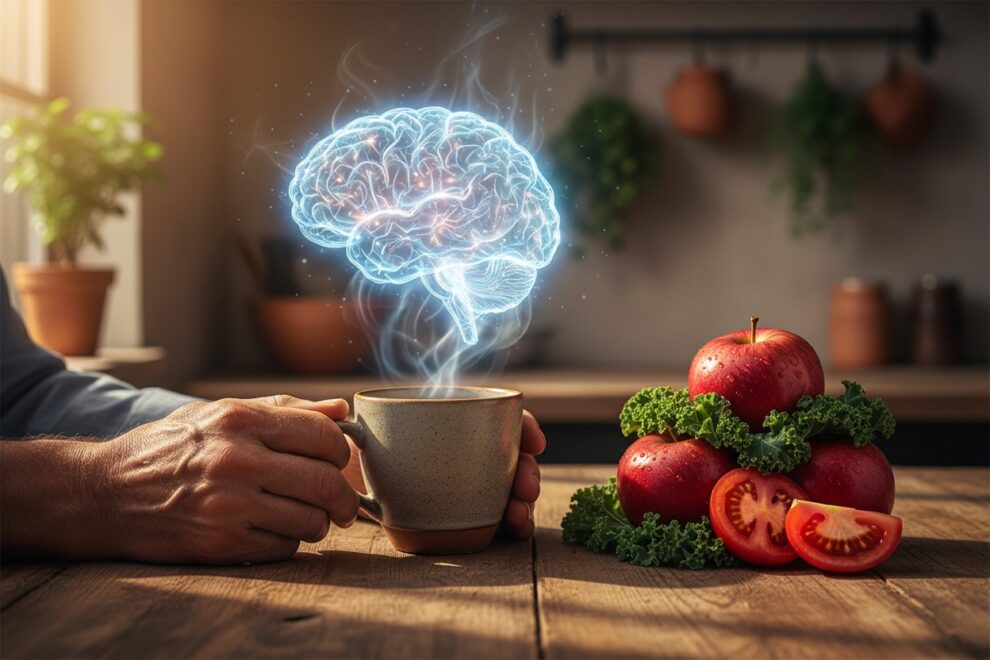
Flavanols are a class of plant compounds known for their antioxidant and anti-inflammatory properties. Found in foods like dark chocolate, berries, tea, and apples, these substances have long been studied for cardiovascular benefits. However, recent research suggests they may also play a role in brain health. The bitter truth about depression: How astringent flavanols ‘wake up’ the brain and restore mood naturally is a growing area of investigation. Astringent flavanols, in particular, are believed to enhance blood flow to the brain, promote neuroplasticity, and modulate neurotransmitter activity. By improving cerebral circulation, they may help ‘wake up’ sluggish neural circuits associated with depression.
Unlike SSRIs, which artificially increase serotonin levels, flavanols work through multiple pathways. They stimulate the production of brain-derived neurotrophic factor (BDNF), a protein that supports the growth and survival of neurons. Low BDNF levels are linked to depression, and boosting it naturally may help restore mood. Additionally, flavanols reduce inflammation and oxidative stress, both of which are implicated in depressive disorders. This multifaceted action offers a holistic approach that aligns with the body’s own regulatory mechanisms.
Clinical Signs and Practical Tips
For those considering flavanol-rich foods as part of a mood-supportive diet, it is important to recognize signs of depression that may benefit from such interventions. Common symptoms include persistent sadness, loss of interest in activities, fatigue, changes in appetite, and difficulty concentrating. While flavanols are not a substitute for professional care, they may complement conventional treatments. Practical tips include incorporating cocoa with high flavanol content (look for at least 70% dark chocolate), drinking green tea, and eating berries like blueberries or strawberries. Aim for a variety of sources to maximize intake.
It is crucial to consult a healthcare professional before making significant dietary changes or using supplements, especially if you are currently taking antidepressants. Flavanols can interact with certain medications, and individual responses vary. A healthcare provider can help tailor a plan that integrates natural approaches safely. Remember, natural does not always mean risk-free, and professional guidance is essential.
Future Directions and Hope
The World Health Organization’s projection that depression will become a leading cause of disability serves as a call to action. While SSRIs fail roughly half the people who try them, and side effects like sexual dysfunction, insomnia, and emotional numbness drive countless patients to abandon treatment, nature may offer a complementary path. Astringent flavanols represent a promising area of research, but more studies are needed to confirm their efficacy and optimal dosing. For now, incorporating flavanol-rich foods into a balanced diet is a low-risk strategy that may support brain health and mood.
In conclusion, the bitter truth about depression is that current treatments are not enough for many. Yet, the possibility that astringent flavanols can ‘wake up’ the brain and restore mood naturally offers a glimmer of hope. As science continues to unravel the complexities of depression, integrating natural compounds with evidence-based therapies could transform how we approach mental health. Always consult a healthcare professional to explore what is right for you.
Frequently Asked Questions
What percentage of people do SSRIs fail to help?
Selective serotonin reuptake inhibitors fail roughly half the people who try them.
What side effects of antidepressants cause patients to stop treatment?
Side effects like sexual dysfunction, insomnia, and emotional numbness drive countless patients to abandon treatment altogether.
What does the WHO project about depression’s future impact?
The World Health Organization now projects that depression will become a leading cause of disability.